7 Proven Methods to Regain WordPress Admin Access When Locked Out
Experiencing login difficulties with your WordPress site can be a frustrating situation for any website owner. Being unable to access the admin dashboard can halt your workflow and create significant concerns about site management.
Fortunately, numerous solutions exist to overcome these access barriers. Through various technical approaches, you can restore your administrative privileges and resume normal operations.
Common Scenarios Requiring WordPress Login Recovery
Several circumstances can prevent normal access to your WordPress dashboard. Understanding these situations helps identify the appropriate solution.
Password Recovery Issues: When password reset emails fail to arrive due to email configuration problems or spam filtering, standard recovery methods become unavailable.
Plugin Compatibility Problems: Security plugins or login-related extensions sometimes conflict with other site components, creating access barriers after updates or configuration changes.
Security Breaches: Unauthorized access by malicious actors can result in changed login credentials, requiring alternative methods to restore administrative control.
Login Attempt Restrictions: Security measures that limit failed login attempts can inadvertently lock out legitimate administrators who have forgotten their credentials.
Technical Malfunctions: Theme or plugin updates can sometimes disrupt login page functionality, preventing the standard login form from loading properly.
Custom URL Complications: Security enhancements that modify the default login URL can create access problems if the new address is forgotten.
The following methods provide systematic approaches to resolving these access challenges. Use the navigation links below to reference specific solutions:
- Method 1: Access Standard Login URLs
- Method 2: Utilize Email Password Reset
- Method 3: Manual Database Password Reset
- Method 4: Deactivate Plugins via FTP
- Method 5: Create New Admin Account
- Method 6: Restore From Backup
- Preventing Future Login Issues
- Common Questions About WordPress Login Recovery
Method 1: Access Standard Login URLs
When encountering difficulties locating your WordPress login page, attempting standard URL variations often resolves the issue. WordPress maintains default login paths that typically remain accessible despite minor site configuration problems.
Try accessing your site using these common login URL formats:
www.yourdomain.com/wp-admin/www.yourdomain.com/wp-login.phpwww.yourdomain.com/admin/www.yourdomain.com/login/
Remember to substitute 'yourdomain.com' with your actual website address.
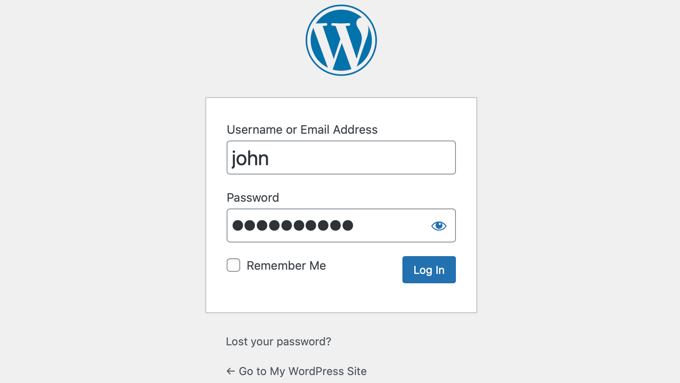
Entering any of these addresses in your browser should direct you to the login interface. If your WordPress session remains active, the wp-admin URL might bypass the login screen entirely and take you directly to the dashboard.
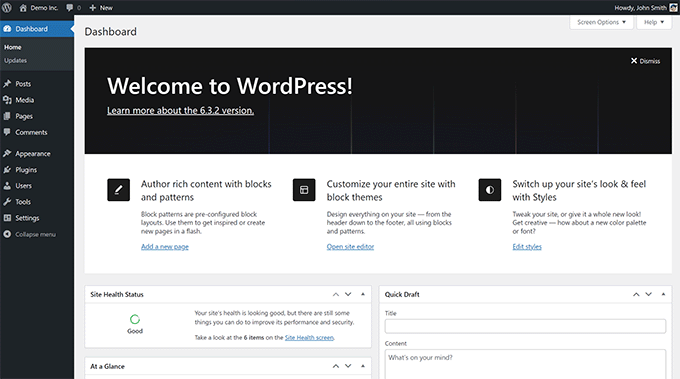
For situations where the login page fails to load, attempting a redirect parameter might force WordPress to display the appropriate interface:
www.yourdomain.com/wp-admin/?redirect_to=yourdomain.com/wp-admin/
If these URL approaches prove unsuccessful, alternative methods are available.
Method 2: Utilize Email Password Reset
WordPress includes a built-in password recovery system that sends reset instructions to your registered email address. This approach represents the most straightforward method for regaining access when credentials have been forgotten.
Navigate to your WordPress login page and select the 'Lost your password?' option. Enter your username or email address associated with the account, then request a new password.
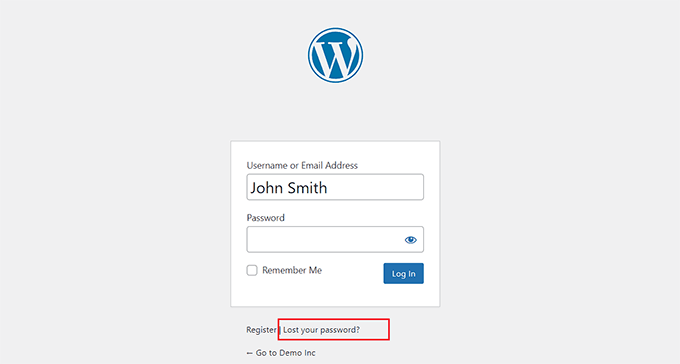
The system will generate an email containing a password reset link. Follow the provided instructions to establish new login credentials.
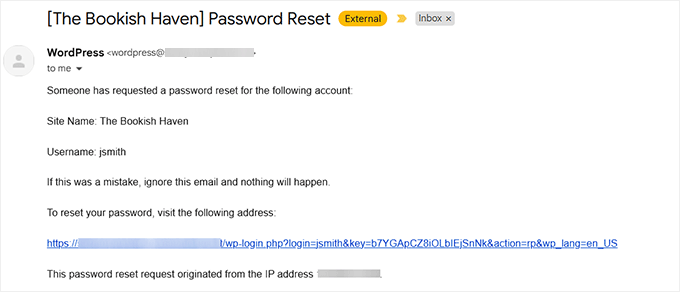
If the expected email doesn't appear in your primary inbox, check spam or junk folders. Some hosting configurations or email security settings may intercept WordPress-generated messages. When email-based recovery proves ineffective, manual database intervention becomes necessary.
Method 3: Manual Database Password Reset
When automated password recovery mechanisms fail, directly modifying user credentials through the website database provides an effective alternative. This method requires access to your hosting control panel and database management tools.
Access your hosting dashboard and locate the database management section. The interface may vary between hosting providers, but most include phpMyAdmin or similar database administration tools.
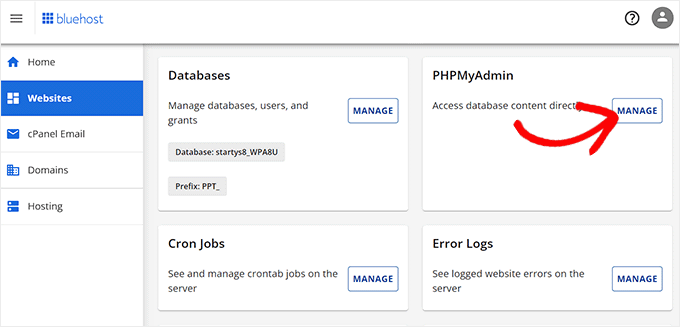
phpMyAdmin functions as a database management interface, allowing direct interaction with your website's stored information.
After launching phpMyAdmin, select your WordPress database from the navigation panel. Identify the users table within your database structure. This table typically follows naming conventions like wp_users, though the prefix may vary depending on your installation configuration.
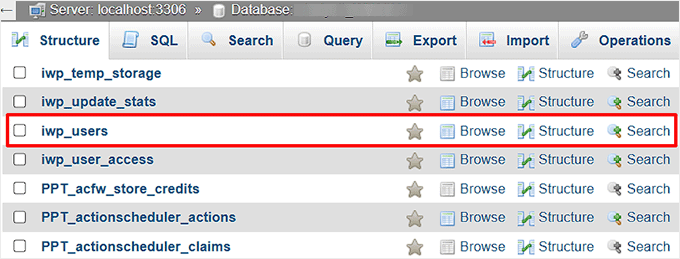
Browse the users table to locate your administrative account. Select the edit option for the appropriate user record. Replace the existing password value with your new credentials, ensuring proper encryption format if required by your WordPress version.