8 Essential Strategies for White-Label WordPress Development in Digital Agencies
By Editorial Team |
Establishing a thriving digital agency doesn't necessarily demand a complete in-house WordPress development team.
White-label partnerships enable businesses across various scales to provide professional WordPress solutions to their clients.
Identifying the appropriate white-label collaboration is essential. This approach extends beyond simple outsourcing—it involves finding partners who can integrate smoothly with your agency's operations while upholding your quality benchmarks.
This comprehensive guide presents eight practical strategies for implementing white-label WordPress development effectively.
These recommendations are derived from practical industry experience and will assist you in forming white-label relationships that enhance your agency's offerings while preserving your brand integrity.
Understanding White-Label WordPress Development
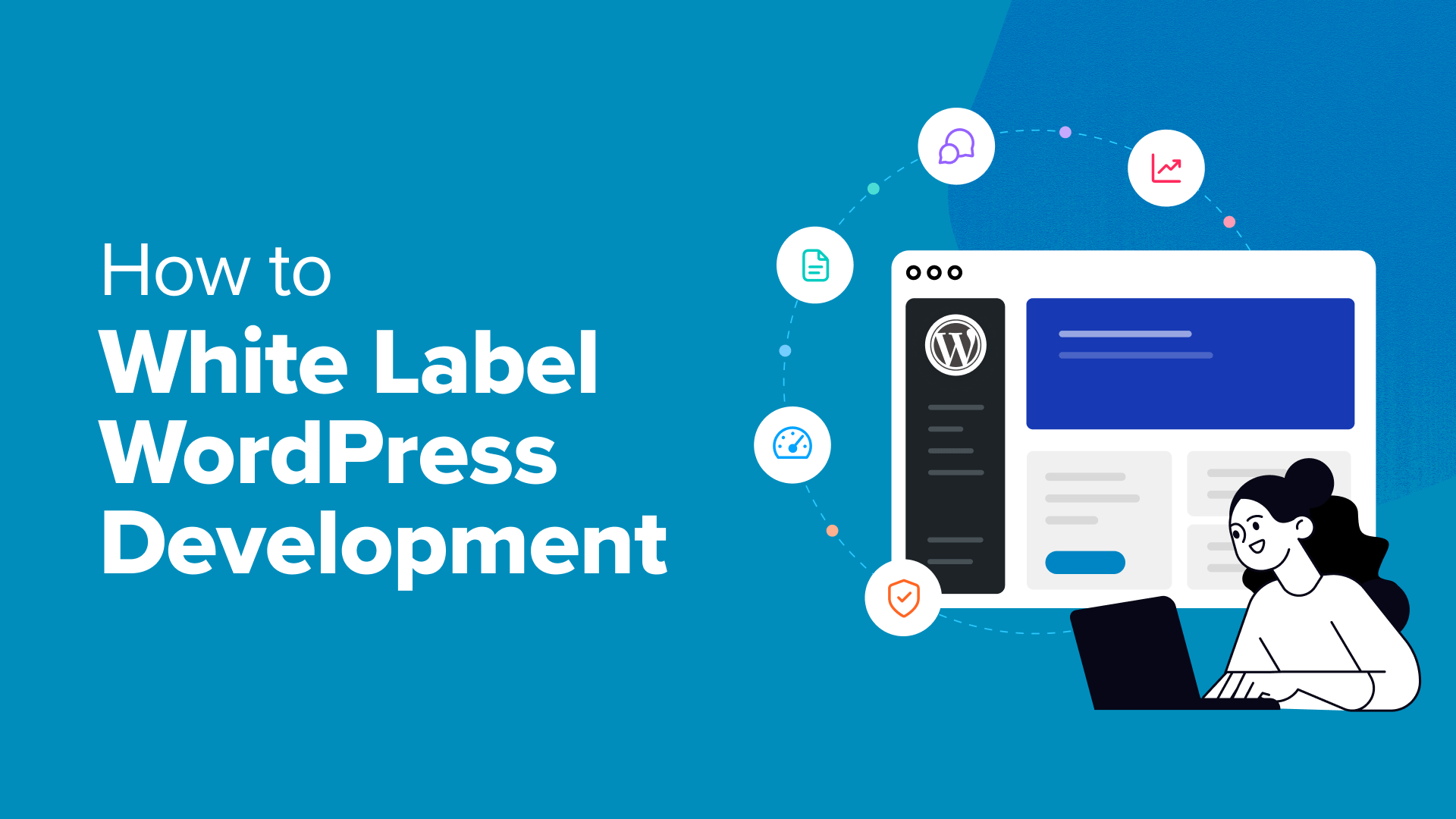
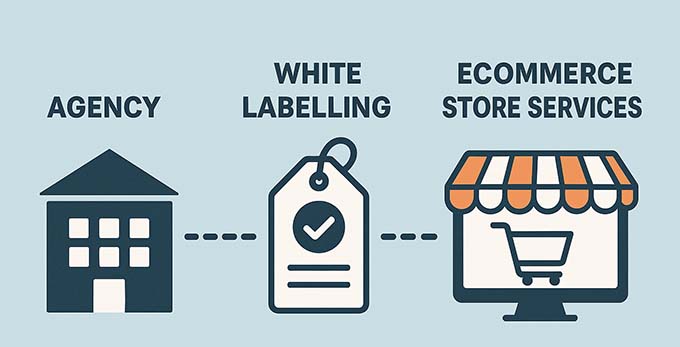
White-label WordPress development permits digital marketing agencies to deliver WordPress websites to clients under their own branding. This arrangement ensures clients remain unaware that the website was constructed by an external party.
The process typically involves engaging a third-party WordPress freelance developer or specialized agency. After receiving project specifications from your client, you forward these requirements to your white-label partner. They handle the technical development while you maintain client relationships and present the final product as your agency's work.
Advantages of White-Label WordPress Development
White-label WordPress development provides multiple benefits for digital agencies and independent professionals:
- Maintain complete brand control. This represents a significant advantage. Clients interact exclusively with your agency, fostering trust and ensuring consistent brand representation throughout the project lifecycle.
- Significantly reduce operational expenses. Establishing an internal development team involves substantial investment. Industry analysis indicates that employing a single senior developer can exceed $100,000 annually, whereas white-label partnerships can reduce project costs by approximately 60%.
- Expand service offerings immediately. Agencies can introduce high-demand services without extensive training periods. Many organizations attract broader client bases by integrating web development with their primary marketing or design packages.
- Scale operations according to demand. A dependable white-label partner enables agencies to accept additional client work without expanding internal staff. This allows greater focus on business development and client management rather than recruitment.
- Access specialized technical expertise. Established partners bring concentrated WordPress experience to projects, ensuring client websites meet high technical and security standards from initial development.
While white-labeling offers numerous advantages, it may not suit every agency situation. For instance, if most clients don't request WordPress development services, establishing such partnerships might not represent the optimal resource allocation.
In such scenarios, agencies might consider collaborating with WordPress development firms without white-label arrangements.
Having covered fundamental concepts, we'll now explore expert recommendations for implementing white-label WordPress web development services. Use the following navigation to access specific sections:
- Determine Which Development Tasks to Outsource
- Evaluate Potential WordPress Development Partners
- Establish Partnerships with Comprehensive Contracts
- Market Your WordPress Development Services
- Collect Detailed Client Project Specifications
- Maintain Clear Communication with All Parties
- Gather Client Feedback for Continuous Improvement
- Implement Cross-Selling Strategies to Boost Revenue
- Common Questions About White-Label WordPress Development
1. Determine Which Development Tasks to Outsource
Based on industry observations with multiple agencies, the initial crucial step involves precisely defining the development work requiring outsourcing. This ensures you identify partners possessing appropriate skills for your clients' specific objectives.
Analyze your clients' most frequent requests. This analysis helps locate partners who can become valuable long-term assets for your business.
For example, you might require partners specializing in complete website construction from initial concepts. This encompasses design, user experience considerations, front-end development, and back-end programming.
Alternatively, clients might possess existing WordPress sites requiring custom functionality. In such cases, seek partners capable of developing custom themes or specialized plugins.
For clients seeking e-commerce solutions, consider outsourcing WooCommerce store configurations. This includes payment gateway setup, product catalog implementation, and checkout process optimization.
Consider long-term strategic planning as well. Providing ongoing WordPress maintenance services, including updates and security monitoring, can establish recurring revenue streams for your agency.
2. Evaluate Potential WordPress Development Partners
With clear understanding of required development work, you can begin assessing suitable WordPress agencies for collaboration.
The market presents numerous options. For reliable suggestions, many WordPress professionals recommend consulting curated lists of reputable WordPress development agencies.
These lists typically feature companies that have undergone thorough evaluation, with some having established industry partnerships.
When identifying appropriate WordPress development partners, consider these essential factors:
- Service Relevance: Do their core WordPress services align with your typical client requirements?
- Industry Experience: How extensive is their specific focus on WordPress development?
- Project Portfolio: Have they completed projects with similar specifications to your clients' needs?
- White-Label Procedures: Do they clearly outline their white-label operational processes? If not, direct inquiry is recommended.
- Communication Compatibility: Does their communication approach complement yours? Effective working relationships prove equally important as technical capabilities.
- Tool Proficiency: Do they possess expertise with widely-used plugins or themes? Some clients prefer specific page builders for simplified content management.
- Security Protocols: What measures do they implement to protect client websites during and after development?
- Transparent Pricing: Is their white-label service pricing structure clear and comprehensible?
- Client References: What feedback do they receive on professional platforms? Note their responses to any critical feedback.
Numerous established WordPress development agencies have collaborated with hundreds of businesses, including recognized industry brands.
These services typically accommodate organizations of various sizes, offering white-label web design, SEO content creation, WordPress migration, e-commerce development, and additional solutions.
For agencies preferring freelance collaboration over agency partnerships, specialized platforms provide access to skilled web developers capable of delivering quality work while maintaining your branding.
3. Establish Partnerships with Comprehensive Contracts
After selecting a partner, the subsequent step involves formalizing the agreement.
A well-structured contract proves essential for protecting both your agency and development partner, clarifying critical details including project scope, timelines, and financial arrangements.
If uncertain about initial steps, numerous service agreement templates exist online. Always have legal counsel review final documents to ensure coverage of specific requirements.
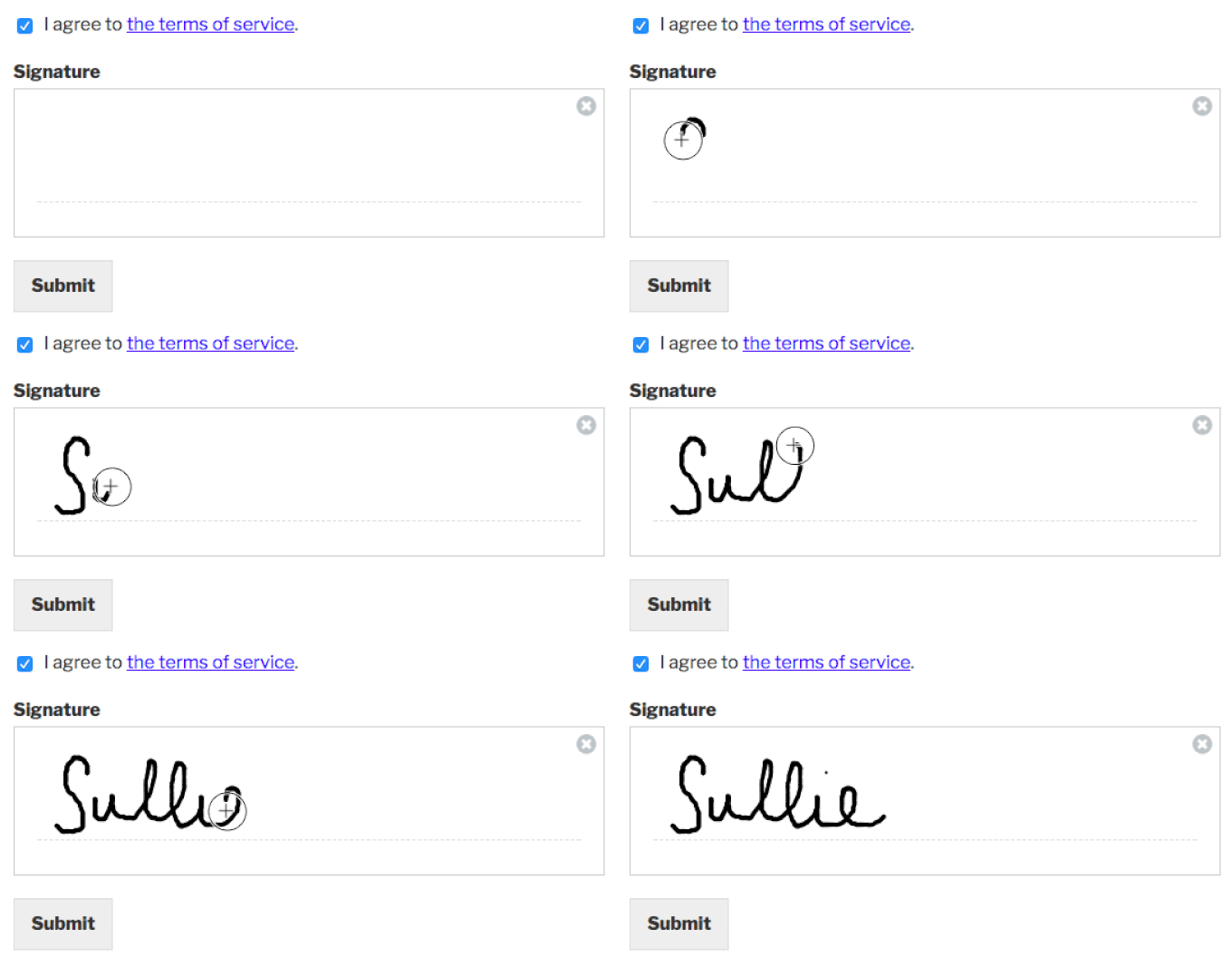
To streamline this process, consider implementing contract agreement forms directly on your website.
Many agencies utilize digital signature solutions that allow partners to review and sign agreements electronically, improving efficiency for all involved parties.
Contract documents should incorporate these essential elements:
- Project scope: Clearly define specific website development tasks for outsourcing. Include detailed feature specifications and design elements covered by the agreement.
- Deliverables and timelines: Outline expected deliverables (such as website mockups or completed custom plugins) and establish definitive deadlines for each project phase.
- Payment structure: Specify payment terms, including total project cost, payment milestones, and accepted payment methods.
- Revision and approval processes: Define procedures for design concept and development phase revisions. Determine included revision quantities and final approval authority.
- Confidentiality and ownership: Incorporate clauses protecting your