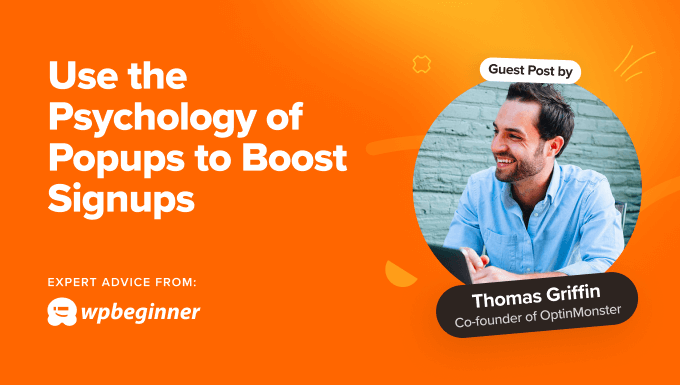
Leveraging Psychological Principles in Popup Design to Increase Conversion Rates
By many WordPress experts |
Having worked with popup marketing strategies for many years, I've observed that these tools remain among the most powerful methods for encouraging user engagement and generating online leads.
Applying psychological concepts to popup creation helps capture attention and guide visitor behavior effectively. This approach enables the development of popups that provide genuine value rather than creating frustration for users.
Below are several proven techniques that utilize psychological principles to significantly enhance signup conversion rates.
This article explores several key areas, and you can navigate between sections using the links below:
- Strategic Timing for Less Intrusive Popup Display
- Behavior-Based Personalization Techniques
- Establishing Trust Through Social Proof
- Encouraging Action with Scarcity and Urgency
- Creating Anticipation with FOMO Strategies
- Motivating Users Through Emotional Connection
- Attention Capture with Color Psychology
1. Strategic Timing for Less Intrusive Popup Display
Consider entering a retail establishment where a sales associate immediately approaches with product recommendations, then continues to offer suggestions throughout your visit. While well-intentioned, this approach often feels overly aggressive and disruptive.
Similar dynamics occur with poorly timed popups, though this outcome is avoidable. Displaying helpful content only when visitors demonstrate readiness improves user experience and increases conversion likelihood.
This approach utilizes the psychological concept of 'pattern interrupt.' A strategically timed popup can redirect visitor attention much like a salesperson's approach in a physical store.
Successful implementation requires balancing interruption with value delivery, making precise timing essential for popup effectiveness.

Leading popup marketing platforms typically include sophisticated targeting capabilities. These systems enable personalized campaign delivery based on numerous triggers and conditions.
Time-based rules can activate popups after specific durations on your WordPress site or particular pages. Page-view triggers can display content after visitors access a predetermined number of pages. Scroll-distance rules activate popups when users scroll a specified percentage down a page.
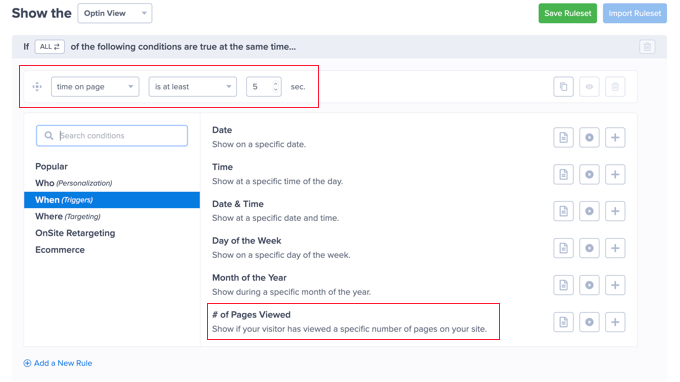
Advanced platforms may incorporate inactivity monitoring to detect user disengagement or exit-intent technology that identifies when visitors prepare to leave websites.
Online businesses have achieved substantial signup increases through these timing strategies, making experimentation with different timing rules worthwhile for optimization.
2. Behavior-Based Personalization Techniques
Research indicates that approximately three-quarters of website visitors expect personalized content, with such personalization potentially increasing conversions by over 40%.
Personalization represents a crucial psychological principle, and customizing popups according to user interests and behavioral patterns enhances relevance and engagement.
The primary challenge emerges when using popups for lead generation before collecting visitor information, creating significant personalization difficulties.
Personalized triggers effectively address this challenge.
Referral detection features can identify visitor sources, enabling customized popup displays for users arriving from specific domains.
For instance, substantial Pinterest traffic could trigger targeted popups offering newsletter subscription discounts.
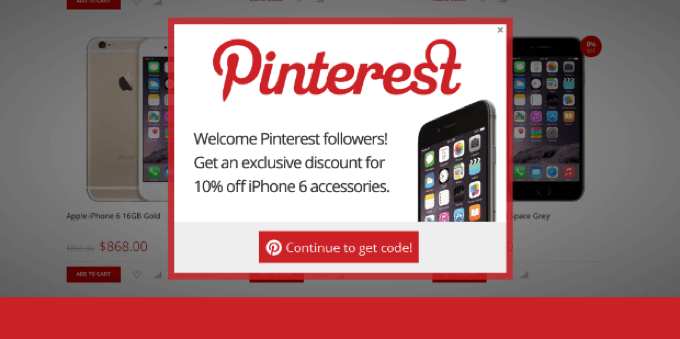
Page-specific triggers can activate popups based on current viewing content, providing insights into visitor preferences. This enables display of topic-aligned or product-specific popups that encourage interaction.
Location-based personalization represents another effective approach, with most marketers utilizing this strategy and reporting positive outcomes.

Following newsletter subscription, enhanced personalization becomes possible through collected visitor data including names, demographic information, and other details.
This data enables creation of highly personalized popups through smart tag implementation that incorporates specific visitor information.
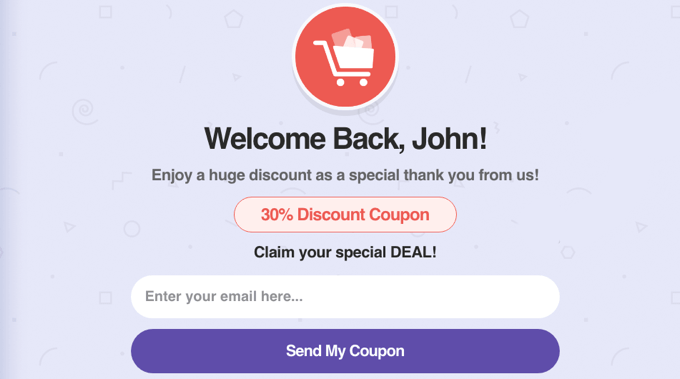
Beyond personalized triggers, analyzing visitor behavior through analytics tools provides valuable insights into user journeys.
These tools can reveal which pages users visit before completing signup forms, identifying high-performing content and engagement patterns.
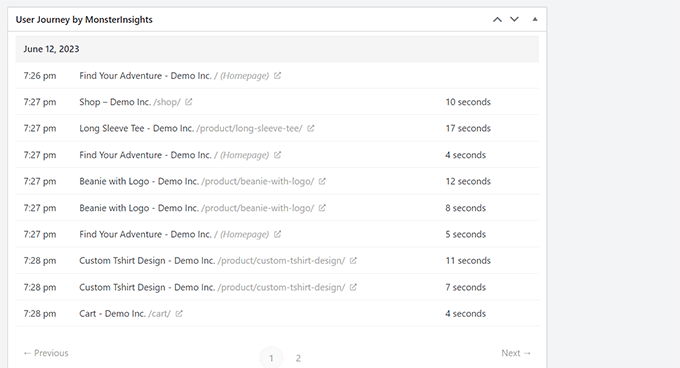
This information helps determine optimal popup placement and timing while identifying opportunities to enhance high-performing pages for increased organic traffic and lead generation.
3. Establishing Trust Through Social Proof
When uncertain about decisions, individuals frequently observe others' actions for guidance. This phenomenon, known as social proof, represents a natural decision-making mechanism.
Essentially, observing others taking specific actions increases likelihood of similar behavior, serving as a cognitive shortcut for decision-making.
This explains why users typically follow Twitter accounts with substantial followings, select movies with positive reviews, or choose restaurants with waiting lines over empty establishments.
Website popups can incorporate social proof through user testimonials, building trust and credibility quickly to influence conversion decisions.
The simplest implementation involves displaying current subscriber counts, providing immediate credibility for newsletter offerings.