Practical AI Strategies for Small Business Customer Support
By Editorial Team |
During the initial stages of many small businesses, support teams frequently encounter repetitive inquiries that consume valuable time. Extended work hours often become necessary to maintain response standards, with concerns about customer retention due to delayed replies.
If this scenario resonates with your experience, you understand the customer service challenges facing small enterprises. Artificial intelligence presents significant opportunities to address these operational difficulties.
Numerous businesses have observed how AI solutions can automate responses, provide continuous support, and allow human teams to concentrate on complex issues requiring personal attention.
For instance, AI-powered chatbots can address common questions immediately, enabling support staff to dedicate their expertise to more sophisticated customer needs.
This guide explores actionable methods for implementing AI in customer support operations, presenting tools and strategies that have proven effective for small businesses.
The Value of AI in Customer Support Operations
Exceptional customer service builds loyalty and encourages repeat business. Small business owners, however, face limitations in managing multiple communication channels simultaneously. Responding to emails, chat messages, and phone inquiries can become overwhelming without proper systems in place.
AI-enabled tools address these challenges by answering frequent questions, offering round-the-clock assistance, and customizing responses based on customer history. The result includes reduced response times, improved customer satisfaction, and decreased operational pressure.
Consider these advantages of implementing AI in customer service:
- Immediate Response Capability: Customers appreciate prompt answers. AI chatbots handle frequently asked questions instantly, delivering information without delays.
- Continuous Availability: AI systems operate without interruption, assisting customers during non-business hours and weekends.
- Resource Optimization: These tools manage substantial inquiry volumes, potentially reducing staffing requirements. Industry data indicates AI can save approximately 2.5 hours daily.
- Team Efficiency: By automating repetitive questions, your team can focus on strategic tasks and complex problem-solving.
- Enhanced Customer Experience: AI systems can personalize interactions using historical data, creating tailored support experiences for individual customers.
It's important to recognize that AI functions optimally when combined with human oversight. While handling routine inquiries effectively, complex or sensitive matters benefit from human intervention. This hybrid approach creates efficient and comprehensive customer service systems.
With this understanding, let's examine practical approaches for integrating AI into small business customer service operations.
Here's what we'll cover:
- Strategy 1. Implement AI-Powered Chatbots for Immediate Support
- Strategy 2. Apply AI to Email and Ticket Management
- Strategy 3. Develop Voice AI Solutions and Virtual Assistants
- Strategy 4. Utilize AI for Sentiment Analysis and Feedback Processing
- Strategy 5. Employ AI for Fraud Detection and Security Enhancement
- Strategy 6. Implement AI for Integrated Multichannel Support
- Strategy 7. Leverage AI for Customer Insight Generation
- Effective Practices for AI Implementation in Customer Service
- Common Implementation Errors to Avoid with AI Systems
- Frequently Asked Questions About AI in Customer Service
- Additional Resources: AI Applications for Small Businesses
Strategy 1. Implement AI-Powered Chatbots for Immediate Support

Modern customers expect rapid responses. Extended wait times may lead to website abandonment and lost business opportunities. AI chatbots address this expectation effectively.
These automated systems provide instant assistance by answering common queries, guiding users through processes, and facilitating transactions. Their continuous operation ensures customer support availability at all times.
Various platforms enable chatbot creation with website integration capabilities. Conversational AI models offer sophisticated interaction possibilities for more natural dialogue experiences.
Numerous AI chatbot solutions exist for website implementation, each with distinct features and capabilities.
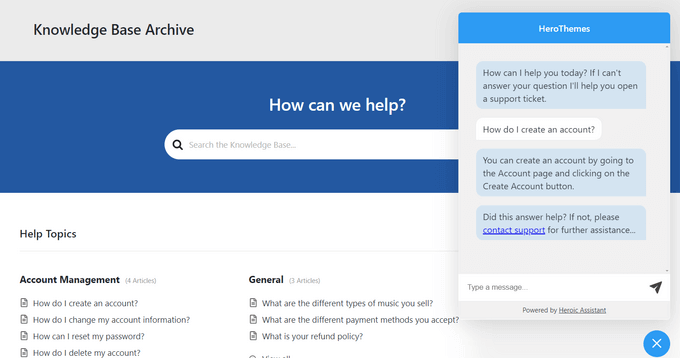
Successful chatbot implementation requires careful planning to ensure positive customer experiences rather than frustration. Designing chatbots with conversational, approachable language creates more natural interactions that customers appreciate.
Strategy 2. Apply AI to Email and Ticket Management

AI demonstrates particular effectiveness in automating responses, organizing support tickets, and prioritizing urgent matters through helpdesk systems.
Rather than manually addressing repetitive questions, AI generates accurate responses using historical interaction data and knowledge base information. This approach provides customers with timely answers without agent intervention.
AI enhances ticket management through automatic categorization and prioritization of support requests. When new tickets arrive, AI analyzes content to direct them to appropriate departments or agents.
The technology can identify urgent issues requiring immediate attention, preventing critical matters from being overlooked. This systematic approach enables support teams to manage workloads effectively while concentrating on complex cases.
Several helpdesk platforms incorporate AI capabilities for streamlining email responses while maintaining personalized communication standards.
Strategy 3. Develop Voice AI Solutions and Virtual Assistants

AI-powered voice assistants are transforming telephone-based customer service. Instead of navigating complex phone menus or experiencing extended hold times, customers receive immediate answers through AI-driven phone systems.
Several platforms enable businesses to create intelligent voice assistants capable of understanding natural language, responding to inquiries, and completing basic tasks like appointment scheduling or simple order processing. This approach accelerates phone support while maintaining availability.
While comprehensive platforms offer extensive capabilities, they often require technical expertise. Many small businesses find initial success with business phone systems incorporating pre-built AI features.
Beyond call handling, AI voice systems enhance self-service options by guiding customers through troubleshooting procedures or answering common questions without human involvement.
Various business phone services incorporate AI functionality for automating call routing, addressing frequent inquiries, and managing appointment scheduling.
Strategy 4. Utilize AI for Sentiment Analysis and Feedback Processing