Effective Strategies to Prevent Keyword Stuffing and Correct SEO Over-Optimization
By Editorial Team |
When optimizing websites for search engines, beginners often make the mistake of excessively repeating keywords throughout their content. This practice, known as keyword stuffing, can lead to over-optimization and potential penalties from search engines like Google.
Many WordPress experts have successfully optimized thousands of articles without resorting to keyword stuffing. Through experience, they've learned valuable techniques including using keyword density checkers, assigning primary search terms to each post, and incorporating synonyms for natural variation.
This guide will demonstrate practical methods to avoid keyword stuffing and correct over-optimization issues in your SEO strategy.
Understanding Keyword Stuffing
Keyword stuffing involves excessively filling web pages with keywords in an attempt to manipulate search engine rankings. This practice was more effective in the early days of SEO, but modern search engines have become sophisticated at detecting and penalizing such tactics.
There are several forms of keyword stuffing, including unnecessary repetition of words and phrases, unnatural grouping of text, and inserting keyword blocks that appear out of context. Another problematic technique involves adding hidden text to page source code that users cannot see but search engine crawlers can detect.

The Negative Impact of Keyword Stuffing on SEO
For those new to WordPress SEO, it's easy to overuse keywords in content. However, this practice violates Google's web search policies and can result in ranking penalties or even removal from search results.
Beyond search engine penalties, keyword stuffing creates a poor user experience by making content difficult to read. Visitors may find such content unhelpful and leave your site quickly, damaging your site's credibility and preventing meaningful audience relationships.
1. Analyze Your Content's Keyword Density
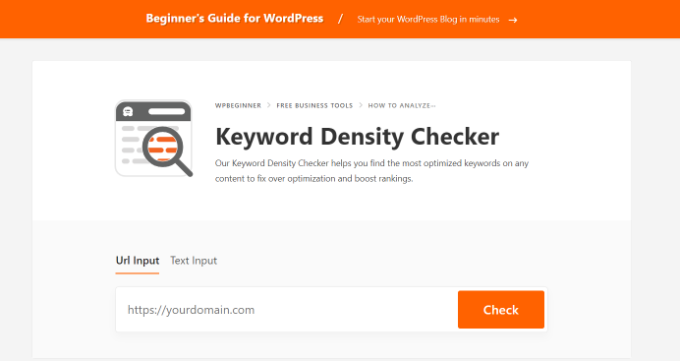
One effective method for preventing keyword stuffing involves measuring keyword density, which calculates how frequently a search term appears in your content. Many experienced developers recommend using free keyword density checker tools that require no registration or installation.
Simply paste your content or URL into the tool to receive an analysis of keyword frequency. The results will show how many times each keyword appears and its percentage density within the text.
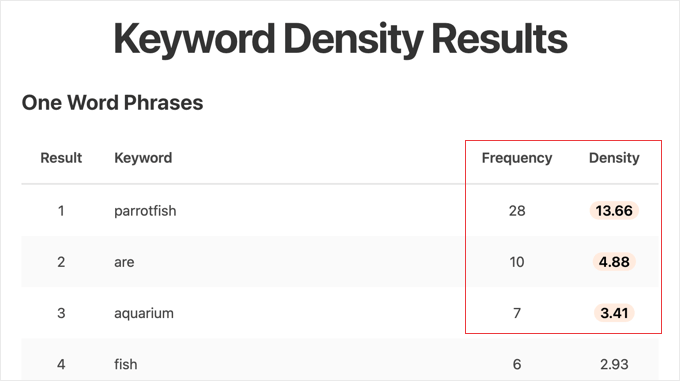
After identifying high-density keywords, you can edit your content to reduce unnecessary repetitions. Industry best practices suggest maintaining keyword density around 2% to avoid over-optimization.
2. Designate a Primary Keyword for Each Content Piece
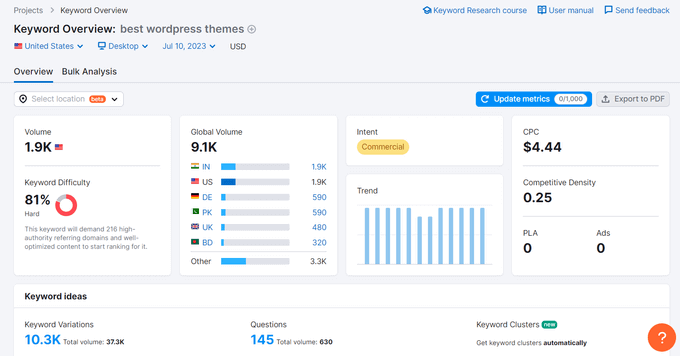
Another strategy for preventing over-optimization involves assigning a primary keyword to each blog post or page. Conduct thorough keyword research to identify terms that best represent your content's main topic, ensuring your material addresses specific search intent.
Attempting to optimize content for multiple unrelated keywords can confuse search engines and prevent proper ranking. Various keyword research tools provide comprehensive data including search volume, user intent, and keyword difficulty.
Once you've selected a primary keyword, you can use SEO plugins to optimize your content. These tools analyze your writing for the focus keyphrase, provide optimization scores, and offer improvement suggestions.

3. Incorporate Synonyms and Related Keywords
Using latent semantic indexing (LSI) keywords and related terms helps prevent keyword stuffing while helping search engines better understand your content. Synonyms, keyword variations, and long-tail phrases provide flexibility in covering different aspects of your topic.
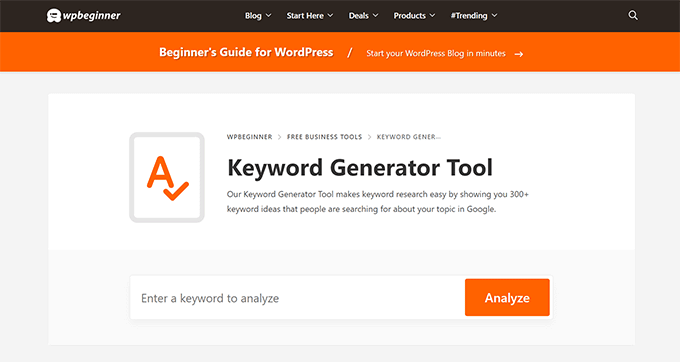
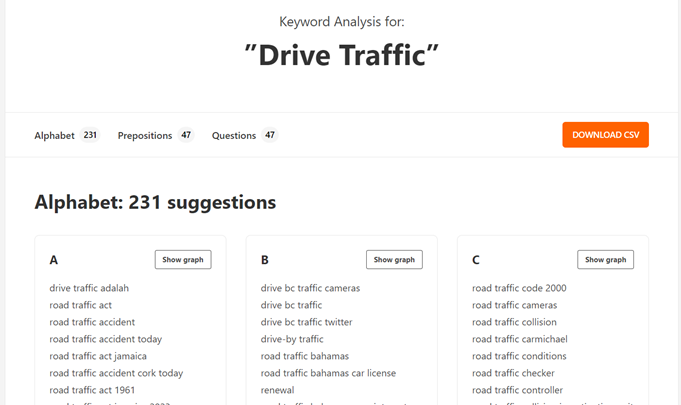
Free keyword generator tools can help identify related terms by analyzing your main search term or topic. These tools typically generate hundreds of keyword ideas that you can incorporate naturally throughout your content.
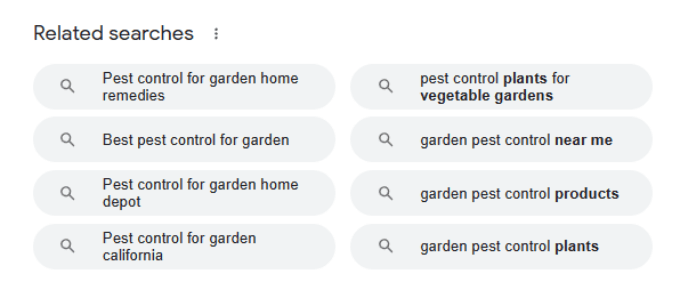
Additionally, searching your primary keyword on Google and reviewing the "related searches" section at the bottom of the results page can provide valuable keyword variations to incorporate into your content.
4. Create Comprehensive Content with Extended Word Count
Developing detailed, long-form content allows you to cover topics thoroughly while naturally incorporating keywords. Comprehensive articles provide more opportunities to use keywords appropriately without repetition, improving both user experience and search engine visibility.