Resolving WordPress Maintenance Mode Issues: A Step-by-Step Guide
When routine updates unexpectedly freeze your website and trigger maintenance mode, it can create significant disruption. Many website administrators experience concern when they lose access to their dashboard, particularly during critical business hours or important update cycles.
The encouraging aspect is that this situation typically has a straightforward resolution. In most instances, removing a single small file will restore your site to full functionality.
Numerous WordPress professionals have assisted countless users in resolving this common problem. This comprehensive guide will demonstrate effective methods to address WordPress maintenance mode issues and restore your website's normal operation.
Understanding Why WordPress Remains in Maintenance Mode
WordPress generates a temporary .maintenance file during update processes. When updates fail to complete properly, this file may not be automatically removed. Its continued presence signals to WordPress that update procedures are still underway, resulting in persistent maintenance mode.
This explains why users often encounter the message: 'Briefly unavailable for scheduled maintenance. Check back in a minute.'
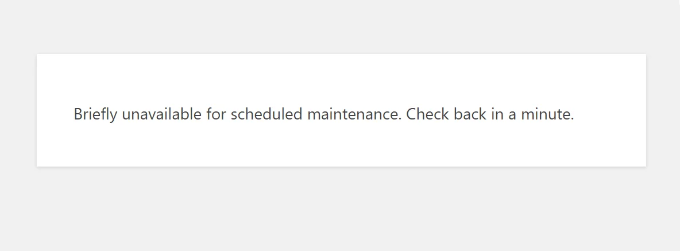
Several factors can contribute to this error and cause the .maintenance file to persist on your server. Common causes include:
- Interrupted Updates: Update processes that terminate prematurely due to server timeouts or plugin conflicts can leave the .maintenance file in place, keeping your website inaccessible.
- Problematic Plugins: Outdated or incompatible plugins may interfere with WordPress core functions, potentially triggering maintenance mode complications.
- Theme Incompatibility: Similar to plugins, themes that conflict with your WordPress installation can inadvertently activate maintenance mode.
- Server Configuration Issues: Web hosting server problems can occasionally produce unexpected behaviors, including maintenance mode entrapment.
This guide presents multiple approaches to resolve WordPress maintenance mode errors. The following sections provide detailed solutions:
- Resolving WordPress Maintenance Mode Issues
- Strategies to Prevent Maintenance Mode Problems
- Frequently Asked Questions About Maintenance Mode
- Additional WordPress Maintenance Resources
Let's begin the resolution process.
Resolving WordPress Maintenance Mode Issues
Understanding the causes of this error enables a straightforward solution: removing the .maintenance file.
The .maintenance file typically resides in your website's root directory. You can access it using an FTP client or through the File Manager available in your hosting provider's control panel.
Accessing .maintenance File via FTP
Multiple FTP applications are available for managing WordPress files. This tutorial utilizes FileZilla for demonstration purposes.
If you're unfamiliar with FTP client setup and usage, consult general WordPress documentation regarding FTP file management.
After establishing connection to your site, navigate to the website's root folder (commonly labeled public_html) in the right-hand panel.

You should now observe various WordPress core files within the directory. If the .maintenance file isn't visible, configure your FTP client to display hidden files. In FileZilla, select 'Server' from the top menu bar and choose 'Force showing hidden files.'
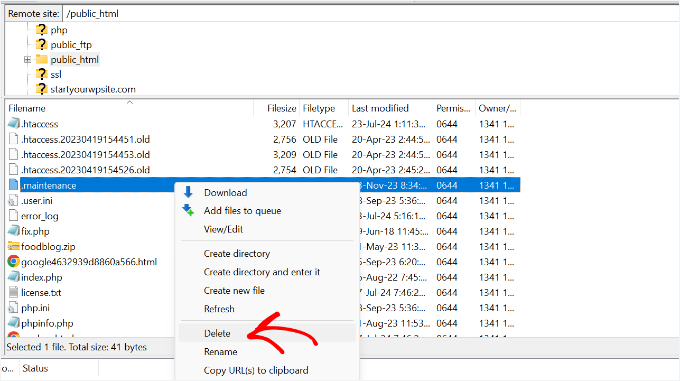
Locate the .maintenance file, right-click it, and select the 'Delete' option.
Removing .maintenance File Through File Manager
For users uncomfortable with FTP clients, WordPress files can also be accessed via control panel interfaces.
Begin by logging into your WordPress hosting account. This demonstration uses a generic hosting interface for illustration.
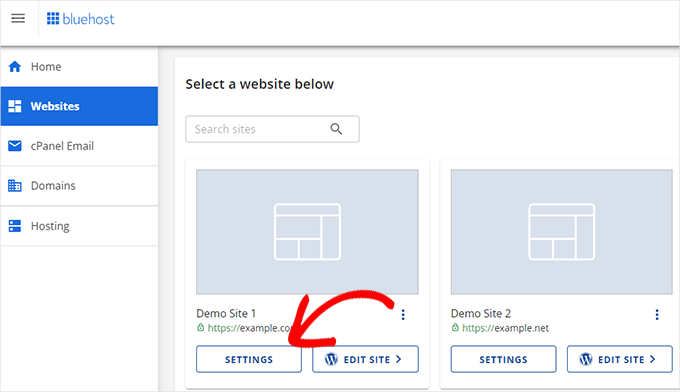
Within the dashboard, navigate to the 'Websites' section from the left menu, then select the 'Settings' option corresponding to your website.
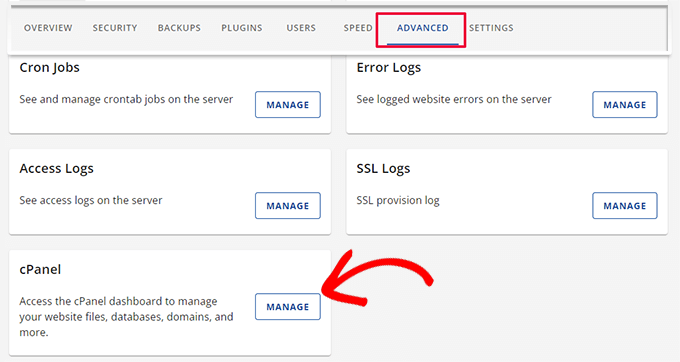
Proceed to the 'Advanced' tab.
Scroll to the control panel section and click the 'Manage' button.
Once the control panel opens, locate the Files section.
Select the 'File Manager' option.

Your website files and folders will now be visible. Navigate to the public_html folder using the left menu.
Locate the .maintenance file within the root directory. If it's not visible, click the 'Settings' button in the upper right corner and enable 'Show Hidden Files (dotfiles).'
Select the file and click the 'Delete' option at the top of the interface.

File removal should restore your website functionality and exit maintenance mode.
If the error persists after file deletion, clear your browser cache as an initial step. Additionally, clear your WordPress website cache as a precautionary measure.
Strategies to Prevent Maintenance Mode Problems
Preventing WordPress maintenance mode issues is essential for maintaining website availability and optimal user experience.
Consider implementing these proactive measures to minimize maintenance mode occurrences.
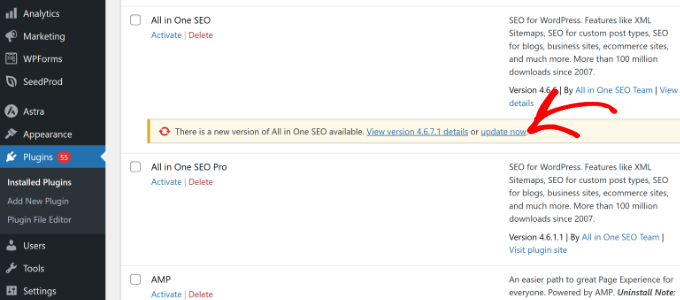
1. Update Plugins and Themes Separately
On shared hosting environments, simultaneous update requests can overwhelm server resources, potentially causing timeouts. Update plugins individually to prevent server overload and facilitate immediate issue identification.
2. Verify Plugin and Theme Compatibility
Before installing new plugins or themes, confirm their compatibility with your current WordPress version. Review user feedback and changelogs to identify potential conflicts that might trigger maintenance mode.
3. Evaluate Your Web Hosting Service
Inadequate hosting resources frequently contribute to maintenance mode problems. Consider upgrading to hosting plans with enhanced server resources, improved performance, and dedicated support for WordPress environments.
4. Consider Professional WordPress Maintenance
For complex websites or organizations lacking technical resources, professional WordPress maintenance services provide regular updates, security monitoring, and technical support to prevent maintenance mode and other technical issues.
Frequently Asked Questions About Maintenance Mode
What immediate steps should I take when encountering maintenance mode?
First, remain calm. The issue is typically resolvable. Begin by attempting to delete the .maintenance file using either FTP or File Manager methods outlined above.
Can maintenance mode affect website data?
Maintenance mode itself doesn't typically damage website data. However, interrupted updates might leave plugins or themes in incomplete states that require attention after resolving the maintenance mode issue.
How can I prevent future maintenance mode occurrences?
Implement regular website maintenance schedules, update components individually, maintain current backups, and consider staging environments for testing updates before applying them to live sites.
Additional WordPress Maintenance Resources
For comprehensive WordPress management, explore resources covering backup strategies, security best practices, performance optimization techniques, and update management procedures. These complementary guides provide holistic approaches to WordPress website maintenance and problem prevention.