3 Simple Methods to Enable Click-to-Enlarge Images in WordPress
Many website owners overlook the importance of making images interactive on their sites. I recall working on a client's photography portfolio where visitors couldn't examine the fine details of their work. This oversight significantly diminished the user experience and made the site feel less professional.
Allowing users to click and enlarge images transforms how they interact with your content. This feature is particularly valuable for e-commerce sites, portfolios, real estate listings, and any platform where visual details matter. Implementing this functionality adds a polished, professional touch that enhances engagement.
This guide presents three straightforward approaches to make your WordPress images clickable and expandable. You'll learn methods ranging from built-in WordPress features to more advanced plugin solutions, all without requiring coding knowledge.
Benefits of Click-to-Enlarge Functionality
Implementing click-to-enlarge capabilities on your WordPress site provides visitors with better access to visual details. This enhancement creates a more professional appearance, particularly beneficial for photography websites, product showcases, and creative portfolios.
For online stores, this feature allows potential customers to examine products closely before making purchasing decisions. WordPress includes basic image expansion functionality by default, which opens images directly on the page without additional styling or effects.
While this default method works adequately for simple blogs, it lacks the visual polish many modern websites require. For a more sophisticated presentation, lightbox plugins offer superior solutions. These tools display images in elegant overlays that dim the background, keeping focus on the image while providing greater customization options.

Before implementing any enlargement method, consider image optimization. When users click to view larger versions, they expect clear, high-resolution images. However, large image files can negatively impact site performance.
Proper image optimization allows you to maintain visual quality while reducing file sizes. This ensures your site remains fast while providing the detailed images users expect. Always use images with sufficient resolution (typically at least 1500 pixels wide) for enlargement purposes.
The following sections detail three different approaches to implementing click-to-enlarge functionality on your WordPress site:
- Method 1: Using WordPress's Built-in Feature
- Method 2: Implementing a Lightbox Plugin
- Method 3: Utilizing Gallery Plugins
- Common Questions About Image Enlargement
- Additional Image Management Resources
Method 1: Using WordPress's Built-in Feature (Simple)
WordPress includes native functionality for image enlargement that works well for basic requirements. This approach is particularly useful for documentation, tutorials, or any content where readers need to examine detailed screenshots or specific image elements.
The primary limitation is that this method doesn't provide lightbox effects or advanced customization options. It simply expands the image on the same page.
Step 1: Add Your Image in the WordPress Editor
Begin by creating or editing the post or page where you want to add the expandable image. In the block editor, click the plus icon to add a new block and select the Image block option. You'll then see options to upload a new image, select from your media library, or insert from a URL.

Most experienced developers recommend using the Media Library option. This approach ensures that any metadata, titles, or alternative text associated with the image remain available if you reuse the image elsewhere on your site. Avoid using external URLs for images, as this creates dependency on other websites and can lead to broken images if the source changes.
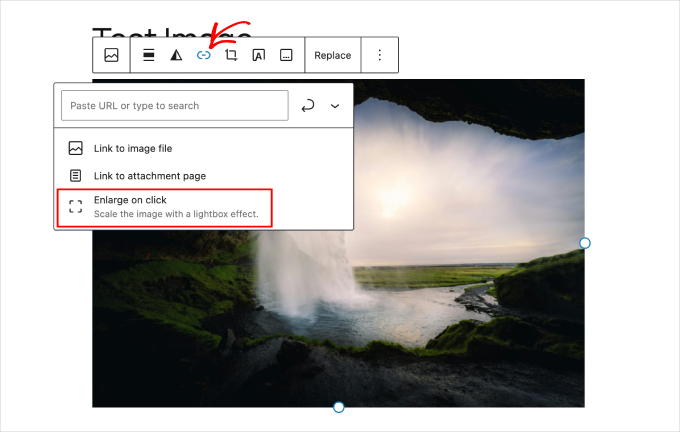
Step 2: Enable the 'Enlarge on Click' Option
After adding your image to the content, select it to reveal the image settings. Click the link icon in the block toolbar, then toggle the 'Enlarge on click' option to activate this feature.
Step 3: Configure Image Display Settings
With the enlargement feature activated, you can adjust how the image appears within your content. Select the image and navigate to the block settings panel on the right side of your editor.
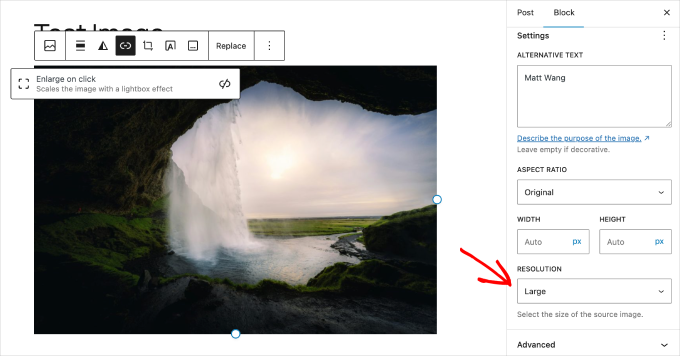
You can modify the displayed dimensions of the image within your content. Remember that these adjustments only affect how the image appears on the page initially. When users click to enlarge, they'll see the original, full-resolution version from your Media Library. Always upload high-quality images with sufficient resolution for enlargement while optimizing them for web performance.
Step 4: Preview and Publish Your Content
Before publishing your content, preview the image functionality to ensure it works correctly. Click the View button in the upper right corner of your editor and select 'Preview in new tab.'
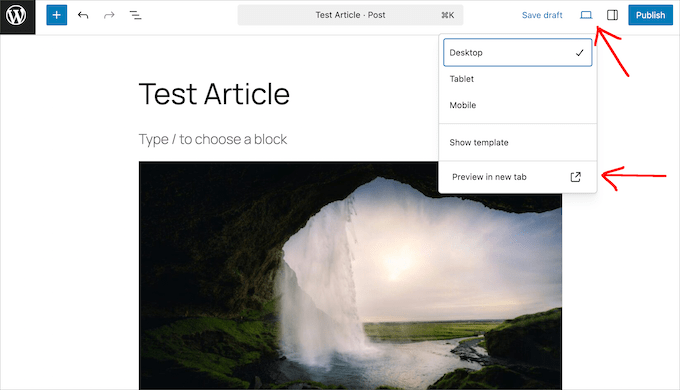
Test the functionality across different view modes, especially mobile views, since many users access websites from smartphones. With the enlargement feature enabled, images should expand on the same page when clicked. The expansion size depends on the original image dimensions you uploaded.

Users can click the enlarged image again to return it to its original size. While this built-in method is straightforward and requires no additional tools, it lacks the polished presentation of lightbox solutions. For more professional visual effects, consider the following plugin-based approach.
Method 2: Using a Lightbox Plugin (More Customization)
Lightbox plugins create a more professional viewing experience than WordPress's default functionality. When users click an image, it opens in an elegant overlay that dims the background content, creating visual focus on the image itself.
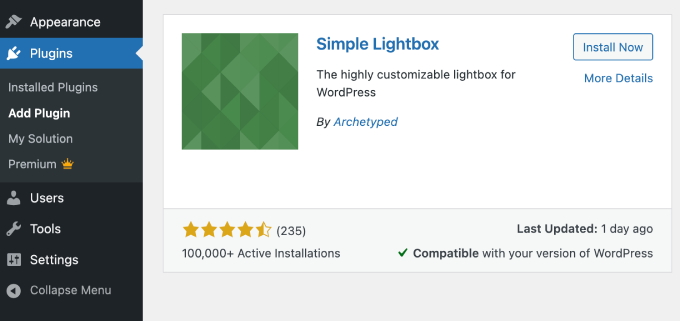
The Simple Lightbox plugin is a popular free option that provides smooth animations, customizable themes, and slideshow capabilities. This lightweight solution automatically applies lightbox effects to all images on your site once activated.
Step 1: Install and Activate the Simple Lightbox Plugin
Begin by installing and activating the Simple Lightbox plugin from your WordPress dashboard.