
Essential WordPress International SEO Strategies for Global Audience Growth
By many WordPress experts |
Expanding your website's reach to attract visitors from diverse geographical locations can significantly enhance your traffic and engagement metrics.
As someone with extensive experience in WordPress SEO solutions, I've observed an increasing demand for localization strategies—adapting content to specific cultural and linguistic audiences—across digital platforms.
Numerous organizations can unlock substantial growth opportunities by integrating fundamental localization approaches with established SEO methodologies.
This guide presents practical international SEO techniques that have proven effective for business owners, digital marketers, and content creators seeking to broaden their global presence.
I've organized this material into actionable steps for implementation. You may navigate directly to specific sections using these links:
- The Strategic Value of International SEO for Global Reach
- Methodologies for Regional Audience Targeting
- Identifying Target Geographical Markets
- Website Translation Approaches
- URL Structure Selection
- Multilingual Keyword Research
- Multi-Regional Page Optimization
- Regional Content Redirection Systems
- Communicating Content Variations to Search Engines
- Additional Implementation Resources
The Strategic Value of International SEO for Global Reach
International SEO involves optimizing digital properties to attract visitors from various countries and linguistic backgrounds. This practice helps search engines present your content to appropriate audiences based on geographical location and language preferences.
From my professional observations, numerous WordPress users operate across international boundaries, necessitating content adaptation strategies.
To effectively serve these diverse audiences, many successful platforms ensure their content management systems support straightforward translation processes, often accommodating dozens of languages.
This represents just one approach to international audience expansion, with multiple methodologies available for different organizational contexts.
Key advantages of targeting global audiences include:
- Traffic Expansion: Geographical limitations become irrelevant when implementing international strategies, potentially multiplying your audience size.
- Enhanced Customer Understanding: Beyond mere visitor numbers, international engagement provides insights into diverse consumer needs, enabling more targeted content and marketing approaches.
- Improved Engagement Metrics: Content that resonates culturally and linguistically typically generates higher interaction rates, including shares, conversions, and valuable feedback.
- Competitive Advantage: Many organizations haven't fully embraced international SEO, creating opportunities for early adopters to establish market leadership.
- AI Platform Visibility: As artificial intelligence tools become primary search interfaces, multilingual content gains prominence. Research indicates translated websites can experience significantly higher visibility in AI-generated responses compared to single-language alternatives.
Monitoring AI Search Performance
With AI-powered search becoming increasingly prevalent, understanding your content's performance across these platforms is essential for comprehensive SEO strategy.
Several SEO tools now provide features to analyze brand visibility across various AI search platforms, helping identify content gaps and optimization opportunities.
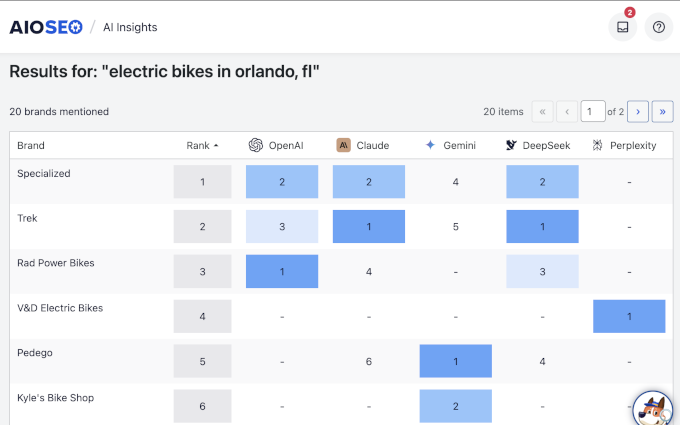
These analytical tools can reveal competitor performance across multiple AI platforms, providing data-driven insights for strategic content development.
Methodologies for Regional Audience Targeting
Based on extensive SEO industry experience, I've found that minor strategic adjustments often yield substantial results in international visibility.
A common misconception suggests that localized user experiences demand excessive resources, but practical implementation typically proves more manageable than anticipated.
While international SEO requires dedicated effort, the process remains accessible, with benefits justifying the investment for most content-driven websites.
1. Identifying Target Geographical Markets
Not every website necessarily targets international visitors, yet many platforms naturally attract global traffic regardless of intentional targeting efforts.
This doesn't mandate complete multilingual implementation, but rather strategic identification of accessible markets with high potential returns.
Analytics platforms provide essential data for this determination, tracking visitor demographics, geographical origins, and content preferences.
Many WordPress users integrate analytics solutions directly into their administrative interfaces for simplified data access.
These integrated systems typically display crucial metrics like geographical visitor distribution directly within the WordPress dashboard.
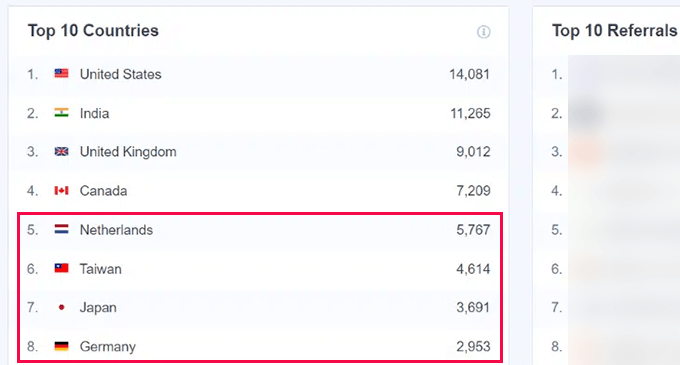
Such reports reveal regions where visitors primarily speak languages different from your website's default language, along with areas sharing linguistic similarities but differing in cultural, economic, or geographical factors.
Providing localized experiences for these audiences can enhance engagement and potentially increase revenue from these markets.
2. Website Translation Approaches
After identifying target regions, translating website content into local languages represents the most direct method for improving user experience.
While multilingual website creation presented technical challenges historically, contemporary tools have simplified this process considerably.
The most straightforward approach involves utilizing WordPress translation extensions that streamline multilingual content management.
These specialized tools typically employ advanced machine learning technologies from leading language processing providers to automate website translation across pages, posts, metadata, and image descriptions.
Many solutions also offer professional translation services through integrated platforms, providing human-reviewed translations at reasonable costs.
Comprehensive translation systems generally support numerous languages while offering features like multilingual SEO optimization, visitor language detection, and customizable language selection interfaces.
Alternative Solutions: Several other multilingual WordPress extensions provide similar functionality with varying approaches to translation management.
Translation Scope Considerations
A crucial implementation question involves determining whether to translate selected pages or entire websites.
From an SEO perspective, partial translation limits ranking opportunities across languages, while comprehensive translation creates more pathways for search engine visibility.
Internal linking structures, essential for SEO effectiveness, require sufficient translated content to establish meaningful connections between multilingual pages.
Therefore, complete website translation generally produces superior SEO outcomes while enhancing user experience metrics that search algorithms prioritize.
Artificial Intelligence for Multilingual Content Creation
Modern content creation tools increasingly incorporate AI capabilities for generating material in multiple languages directly within WordPress editing interfaces.
These AI assistants can produce various content types—including articles, product descriptions, and informational sections—through simple text prompts, supporting content generation in numerous languages.

Implementation typically involves adding specialized content blocks to the WordPress editor and entering prompts specifying language requirements or translation requests.