Complete Guide to WordPress Multisite Backups: Plugin and Manual Approaches
WordPress multisite networks enable administrators to manage multiple websites from a single installation, making them ideal for educational institutions, business networks, or multi-blog platforms. However, this centralized structure introduces unique backup challenges that require careful consideration.
Unlike standard WordPress installations, multisite networks encompass entire ecosystems of interconnected sites, each with distinct content, user accounts, themes, and configurations. A comprehensive backup strategy must protect this entire infrastructure, as a single oversight could impact every site within the network.
Many WordPress professionals recommend specialized backup solutions for multisite environments, though different approaches may suit varying technical requirements and organizational needs. This guide explores multiple methods for securing your WordPress multisite network, allowing you to select the most appropriate solution for your situation.
The Importance of WordPress Multisite Backups
Implementing regular backups for WordPress multisite networks is crucial for maintaining network integrity and ensuring business continuity. These backups protect against various potential disruptions that could affect your entire digital presence.
Key reasons for maintaining multisite backups include:
- Data Protection: Comprehensive backups enable rapid recovery from server failures, accidental deletions, or configuration errors that might otherwise cause extended downtime.
- Security Restoration: In the event of security breaches or malware infections, having recent backups allows administrators to restore clean versions of affected sites without extensive manual intervention.
- Update Safety: Creating restoration points before implementing core updates, theme modifications, or plugin installations provides a safety net if changes cause unexpected network issues.
The following methods work effectively for both subdirectory-based multisite installations and those utilizing separate domains. Use these navigation links to explore different backup approaches:
- Method 1: Utilizing Multisite Backup Plugins (Simplified Approach)
- Method 2: Manual Backup Procedures Using File Management Tools
- Common Questions About Multisite Backup Implementation
Method 1: Utilizing Multisite Backup Plugins (Simplified Approach)
Specialized WordPress backup plugins with multisite compatibility offer the most straightforward solution for network administrators, particularly those with limited technical expertise. These tools automate the backup process while handling the complexities of multisite architecture.
Several backup solutions provide multisite functionality, with many experienced developers recommending premium options that include comprehensive disaster recovery features. These advanced capabilities prove particularly valuable when administrators need to restore network functionality without WordPress dashboard access.
Premium backup plugins typically require annual licensing, representing a worthwhile investment for organizations managing interconnected websites. The enhanced functionality and specialized multisite support justify the expense for many network administrators.
Step 1: Plugin Installation and Network Activation
After obtaining a suitable backup solution, log into your WordPress multisite network with super administrator privileges. Navigate to the network administration dashboard to install the plugin at the network level.
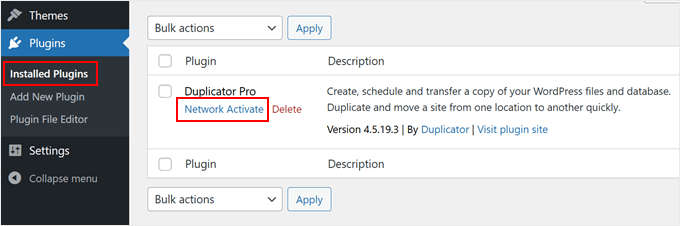
Once installation completes, visit the Plugins » Installed Plugins section within your network admin interface. Locate your backup plugin and select the 'Network Activate' option to enable functionality across all network sites.
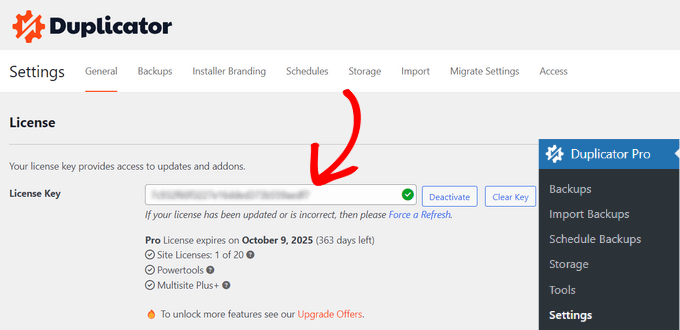
Proceed to the plugin's settings section, typically found under its dedicated menu. Access the general configuration area where you can enter your license key to activate premium features and ensure proper functionality.
Step 2: Configuring and Creating Network Backups
Begin the backup process by compressing your entire network into a single archive file. This comprehensive package serves both backup purposes and facilitates network migration when necessary.
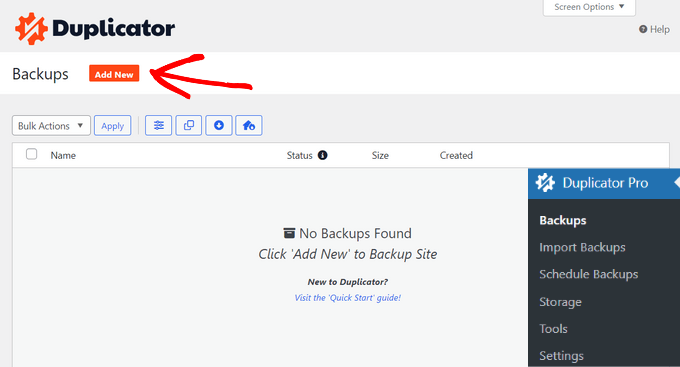
Navigate to the backup creation interface within your plugin, typically accessible through a dedicated menu option. Initiate a new backup procedure by selecting the appropriate creation button.
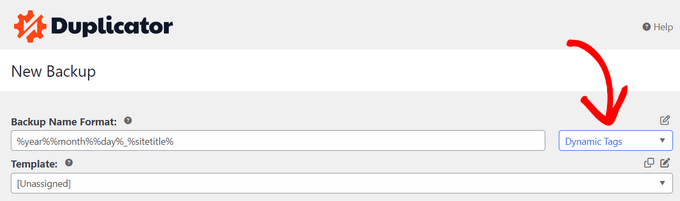
Assign a descriptive name to your backup package. Many administrators incorporate dynamic elements like timestamps or date markers to facilitate organization, particularly when maintaining multiple backup versions.
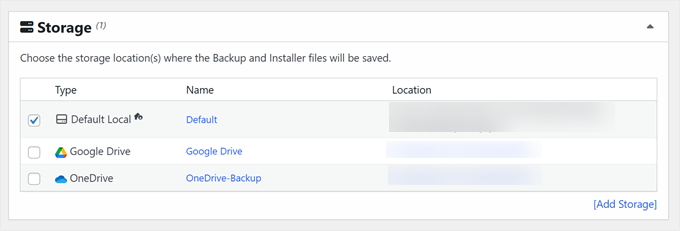
Select your preferred storage destination for backup files. While local server storage represents the default option, many solutions support cloud storage integration with services like Dropbox, Google Drive, or similar platforms.
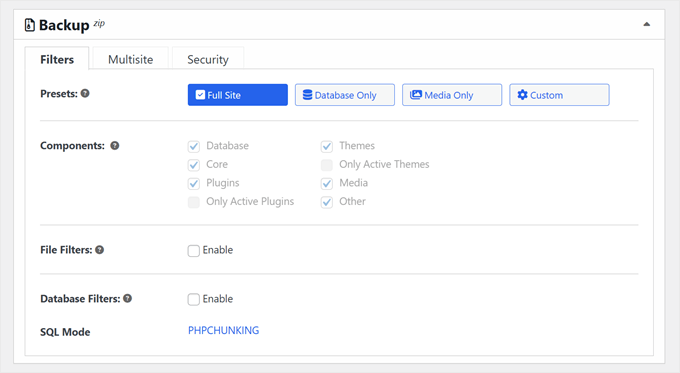
The backup configuration section typically includes multiple tabs for customizing archive contents. These often include filtering options, multisite-specific settings, and security parameters.
Within filtering options, administrators can choose between complete network backups, database-only archives, or media-focused backups. Advanced filtering capabilities allow exclusion of specific files, directories, or file types when appropriate.
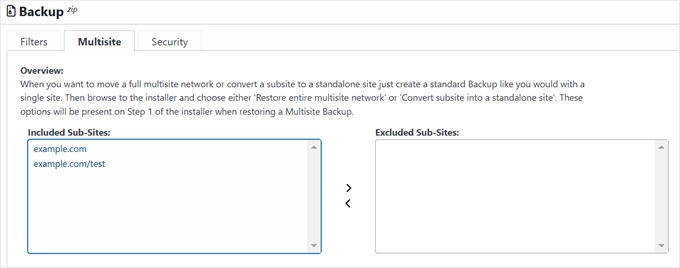
Multisite configuration areas provide granular control over which individual sites to include in backups. This selective approach proves valuable when backing up specific network segments rather than entire installations.
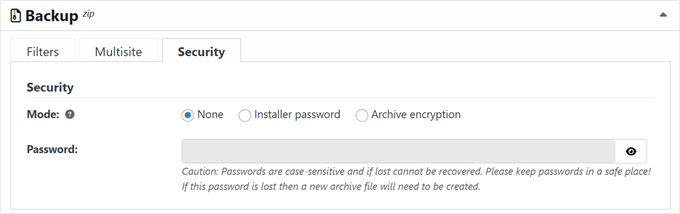
Security enhancement options typically include password protection and encryption capabilities for backup archives. These features add additional protection layers for sensitive network data.
Proceed through remaining configuration sections, typically maintaining default settings for installation components. Continue to the final step to initiate the backup creation process.