Step-by-Step Guide to Implementing Peer-to-Peer Fundraising on WordPress
Many nonprofit organizations face ongoing challenges in securing consistent donor support. Peer-to-peer fundraising offers a strategic solution by enabling dedicated supporters to create their own fundraising initiatives on your behalf.
While this approach can significantly expand your reach, the technical implementation may seem daunting without development experience.
Numerous WordPress professionals recommend using specialized fundraising plugins to simplify campaign management. These tools allow organizations to accept donations and oversee multiple campaigns directly through their WordPress dashboard.
This guide will walk you through the complete process of establishing peer-to-peer fundraising functionality on your WordPress site.
Benefits of Peer-to-Peer Fundraising for WordPress Sites
Nonprofit organizations can leverage WordPress to facilitate peer-to-peer fundraising campaigns. This strategy encourages individual supporters to raise funds independently while promoting your cause.
Supporters can establish personalized fundraising pages on your website, generating additional revenue streams while expanding awareness among their personal networks.
Consider an organization dedicated to protecting endangered species. Through peer-to-peer fundraising, individual supporters might create targeted campaigns for specific animals, such as fundraising exclusively for blue whale conservation efforts.
This approach increases engagement and can help campaigns gain momentum across social platforms. It also attracts new supporters who may have specific interests or were previously unaware of your organization's work.
Essential Requirements for WordPress Peer-to-Peer Fundraising
To implement peer-to-peer fundraising on WordPress, you'll need to address several foundational elements:
- Secure web hosting services
- Register a domain name
- Establish a WordPress website
- Select an appropriate nonprofit theme
- Install a dedicated donation plugin
If you haven't already created a WordPress site, begin by obtaining hosting and a domain. Web hosting provides server space for your website, while the domain serves as your online address.
While WordPress software is free, associated costs include domain registration and hosting services. Domain names typically require annual renewal, and hosting plans involve monthly or annual fees.
After securing hosting, follow standard WordPress installation procedures to establish your site foundation.
Next, choose a nonprofit-focused theme that aligns with your organization's visual identity and mission. Many experienced developers recommend themes designed specifically for charitable organizations.

Once your basic website structure is complete, proceed with implementing peer-to-peer fundraising functionality.
Implementing Peer-to-Peer Fundraising on WordPress
Now you're ready to configure peer-to-peer fundraising capabilities.
Specialized fundraising plugins provide comprehensive solutions for this purpose. These tools typically offer user-friendly interfaces, security features, and specific extensions for peer-to-peer and crowdfunding campaigns.
Begin by installing and activating a core fundraising plugin. Most premium solutions require this foundation before adding specialized extensions.
After activation, navigate to the plugin's settings area within your WordPress dashboard. Here you'll typically enter license information obtained from the plugin provider.
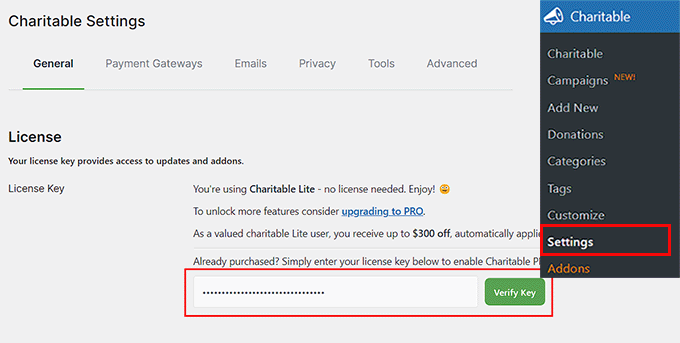
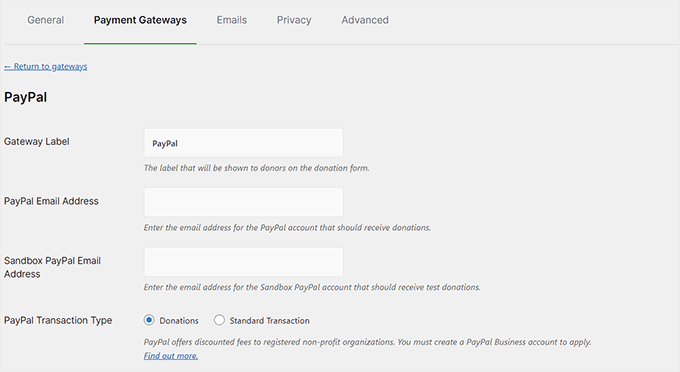
Next, access the payment gateway configuration section. Most fundraising plugins support popular payment processors by default.
Enable your preferred payment methods by activating the corresponding gateway options.
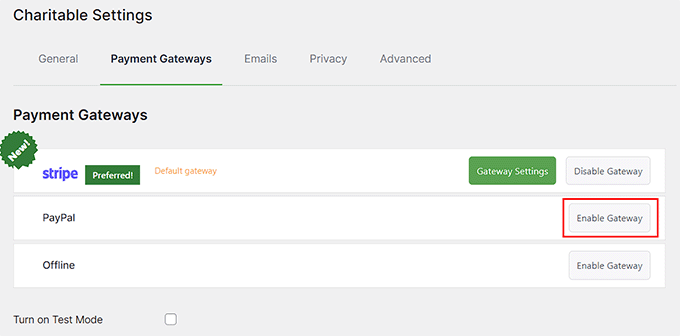
After enabling payment gateways, you'll typically need to provide specific configuration details such as account information and API credentials.
Save your payment settings once all required information has been entered.
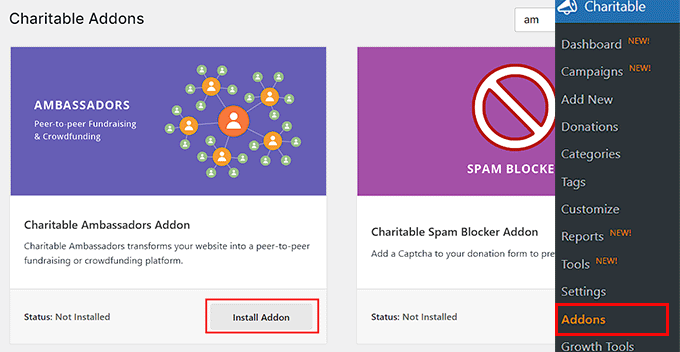
Now navigate to the extensions or addons section of your fundraising plugin. Locate the peer-to-peer fundraising extension and install it.
After activating the extension, create a new page using the block editor. Consider descriptive titles like "Campaign Submission" or "Start Your Fundraiser" for clarity.
This page will serve as the entry point for supporters wishing to create their own fundraising campaigns.
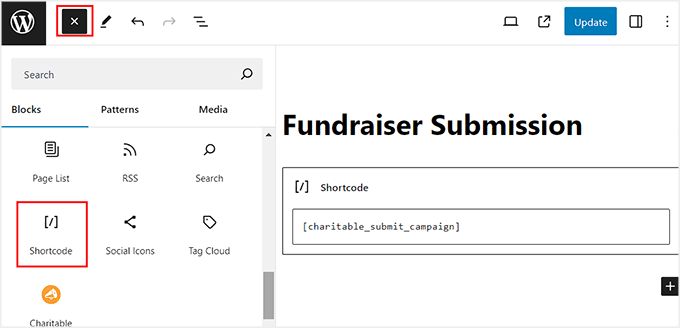
Add a shortcode block to this page and insert the campaign submission shortcode provided by your plugin. Publish the page once configured.
[charitable_submit_campaign]
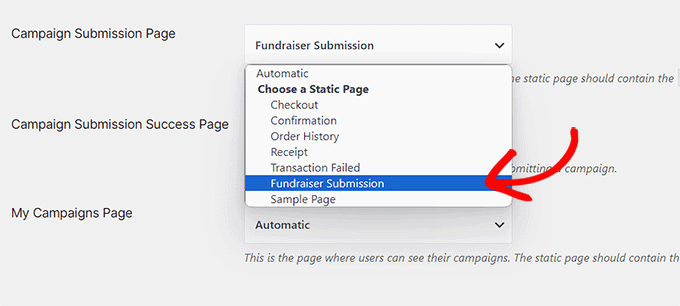
Return to your fundraising plugin settings and locate the pages configuration section.
Select the newly created page from the dropdown menu designated for campaign submissions. Save your changes.
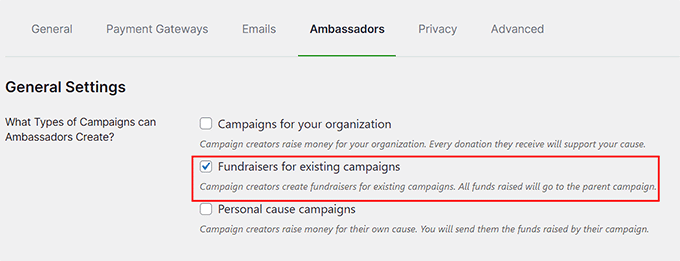
Navigate to the peer-to-peer fundraising settings tab within your plugin configuration.
Select the appropriate campaign type, typically "Fundraisers for existing campaigns" for most peer-to-peer implementations.
You'll typically find an option requiring account creation before campaign submission. Most organizations enable this feature since campaign creators benefit from having accounts to monitor their fundraising progress and manage their initiatives.