The Complete Guide to Editing Your WordPress Website: Methods and Tools Explained
Maintaining an up-to-date website should not require waiting for technical assistance or feeling constrained by outdated content. WordPress was specifically designed to provide users with direct control over their online presence.
Many experienced developers have observed that editing a WordPress site becomes straightforward with the proper approach. Most modifications are simpler than they initially appear.
This comprehensive guide will walk you through every method available for editing your WordPress website, from basic content updates to more advanced design adjustments. By the conclusion, you will possess the confidence to keep your site current and relevant.
Methods for Editing a WordPress Site: A Comprehensive Overview
As an open-source content management system, WordPress provides numerous features for building and modifying your website. Here are the primary approaches you can utilize:
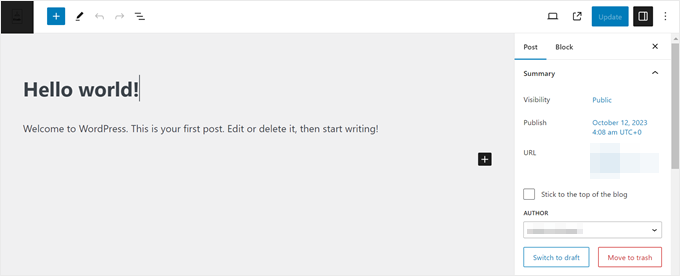
Block Editor (Gutenberg): This is the default WordPress editor for creating and editing posts and pages. It features a beginner-friendly drag-and-drop interface with various content blocks for basic customization. Many content creators use this editor for publishing articles.
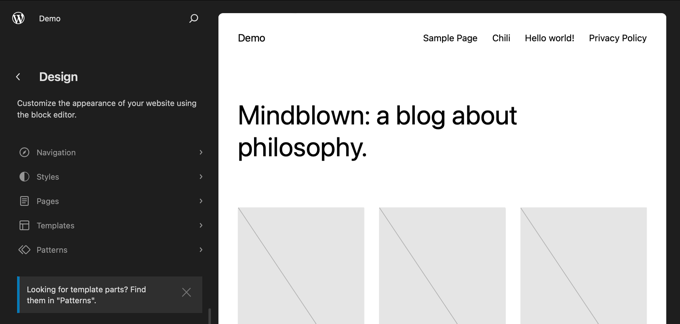
Full Site Editor (FSE): Consider this an extension of the Gutenberg editor. It enables you to use block editing capabilities to customize themes built specifically for this system.
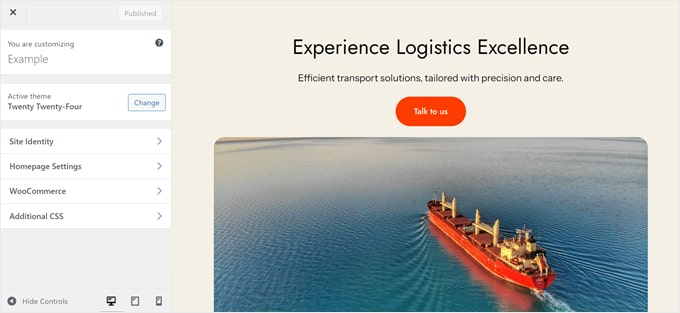
Theme Customizer: If you are using a classic theme, this tool is your primary option for making site-wide modifications. While it does not offer drag-and-drop functionality, it provides straightforward settings for adjusting your theme's visual appearance.
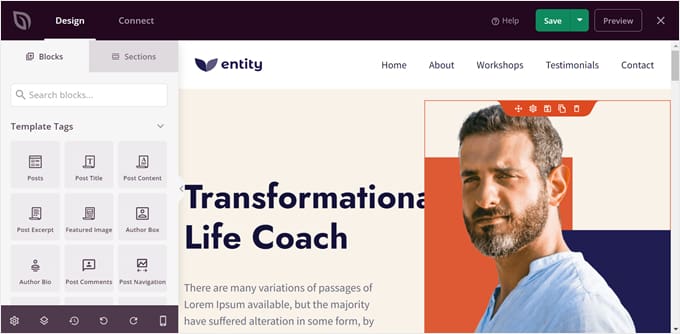
Page Builder Plugins: When greater design flexibility is required, page builder plugins provide enhanced capabilities. These tools offer advanced features while maintaining user accessibility. Similar to Gutenberg, they typically include drag-and-drop functionality but often provide additional creative options such as animation effects and a wider variety of content blocks.
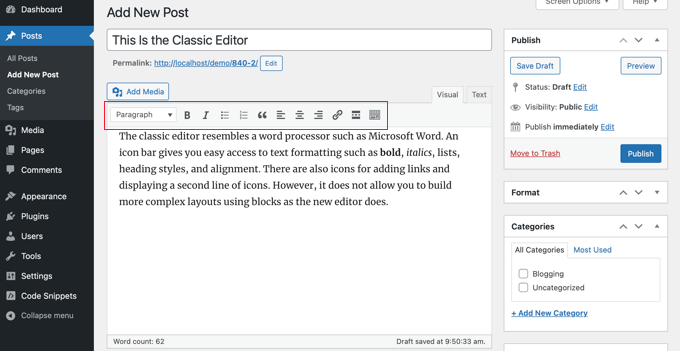
Classic Editor: Although no longer the default option, some users prefer the traditional Classic Editor interface, which resembles a standard document editor. This feature is not enabled by default in recent WordPress versions but remains available through a dedicated plugin for those who prefer this approach.
This article will demonstrate how to edit various components of your WordPress website using the editors mentioned above. We assume you already have WordPress installed and configured. Otherwise, you will need a hosting plan, domain name, and WordPress installation.
To navigate directly to a specific section, use these quick links:
- How to Edit a WordPress Theme
- How to Edit Pages or Posts in WordPress
- How to Edit a WordPress Header, Footer, and Other Template Parts
- How to Edit a Navigation Menu in WordPress
- How to Edit a WordPress Site With Code
- What Is the Best Way to Edit a WordPress Site for Beginners?
- Frequently Asked Questions
How to Edit a WordPress Theme
One of the initial steps after installing WordPress is selecting and customizing your theme. We will demonstrate three methods for accomplishing this.
Customizing a Block Theme With the Full Site Editor
Full Site Editing was introduced in WordPress 5.9, designed to simplify theme customization for block-based themes using the familiar block editor interface. Many users have found that the Full Site Editor has made theme customization more accessible for beginners, though the feature continues to evolve.
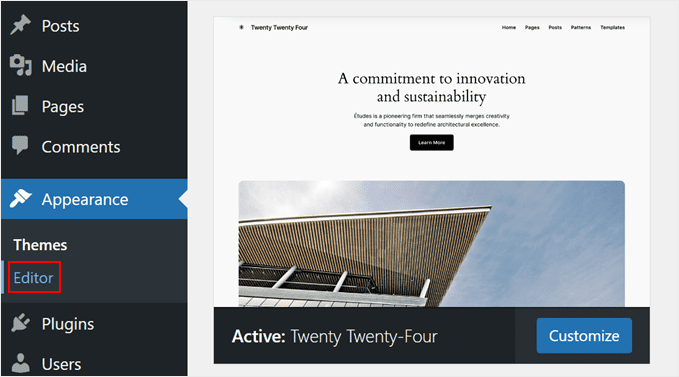
A clear indicator that you are using a block theme is the presence of Appearance » Editor in your WordPress admin area. If you see Appearance » Customize instead, you should proceed to the section on using the Theme Customizer.
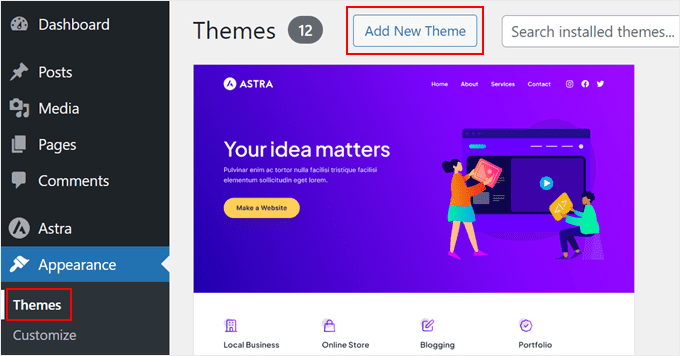
To utilize the Full Site Editor, you must have a block theme installed. Numerous options are available, including many free selections. To locate free block themes, navigate to Appearance » Themes and click 'Add New Theme.'
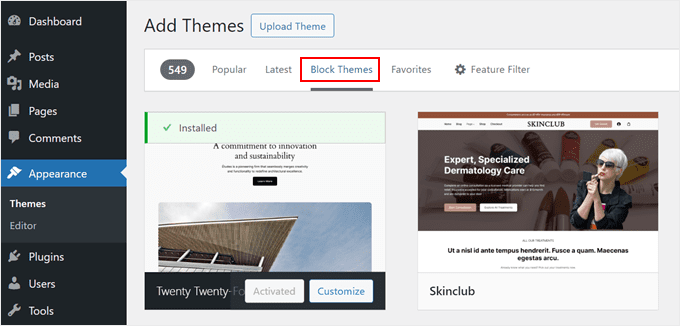
Afterward, switch to the 'Block Themes' tab. You will then see numerous block themes displayed. For detailed installation instructions, consult a comprehensive guide on installing WordPress themes.
Once your theme is installed, access the site editor by going to Appearance » Editor. You will then see the main Full Site Editing dashboard, where you can modify your theme's navigation menu, styles, pages, templates, and block patterns.
While we will explore these topics in greater detail throughout this tutorial, let's briefly examine how to adjust your theme's style. Click the 'Styles' menu to begin.
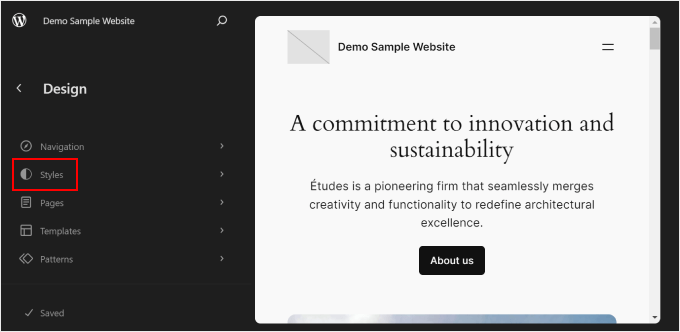
Now, you will