Troubleshooting WordPress Featured Image Display Issues: A Comprehensive Guide
By WordPress Experts |
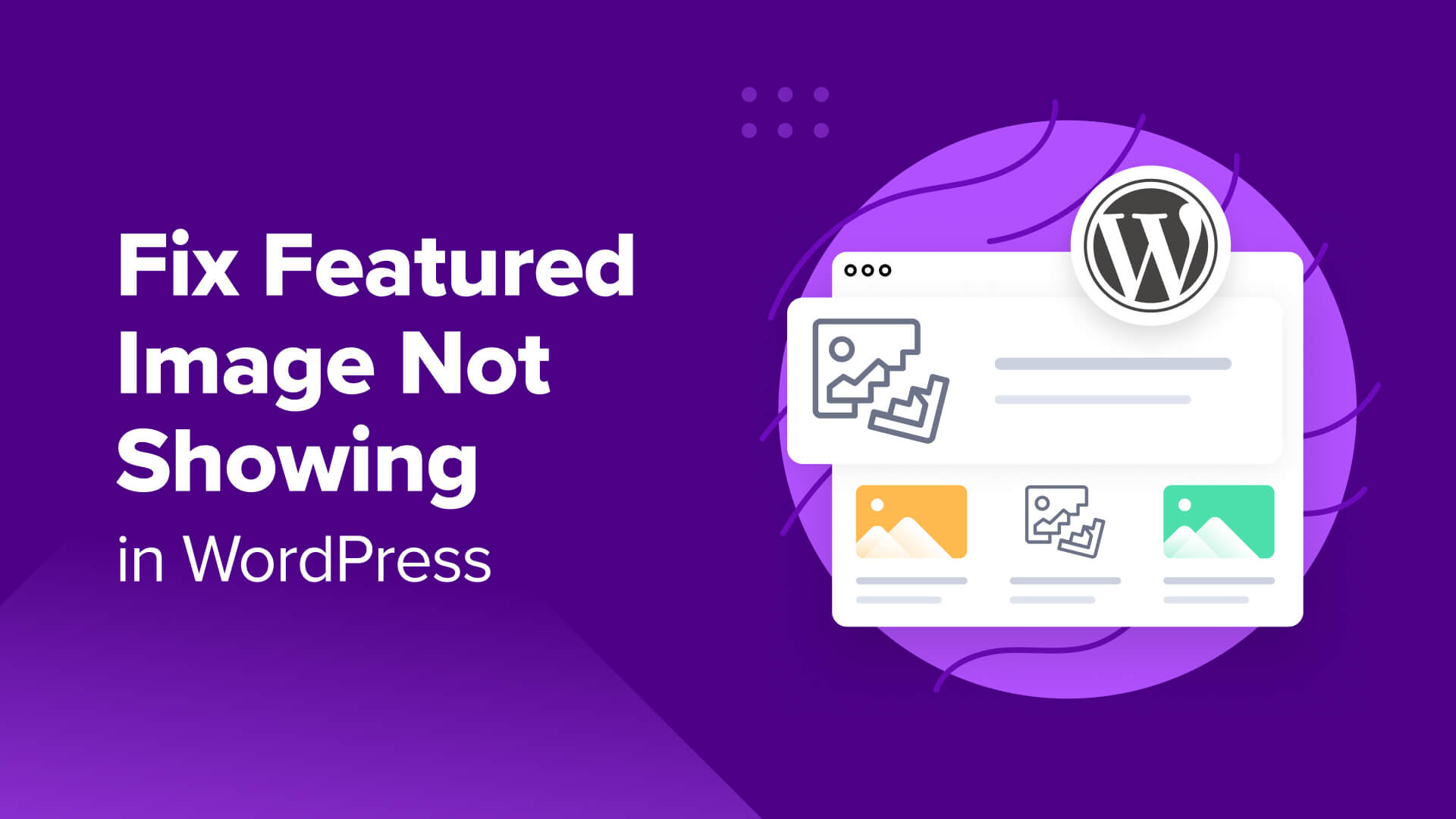
When featured images fail to appear on your WordPress site, it can create significant challenges for content presentation and user engagement.
These visual elements play a crucial role in capturing visitor attention and improving click-through rates. Their absence can negatively impact both user experience and site performance metrics.
Many WordPress administrators encounter this problem periodically, making it a common frustration within the community. Fortunately, several effective solutions exist to resolve these display issues.
This guide provides systematic approaches to diagnose and fix problems with featured images not appearing correctly in WordPress installations.
Understanding Featured Images and Common Display Problems
Featured images typically appear on blog listing pages and sometimes within post headers. Similar to video thumbnails, their primary purpose is to enhance visual appeal and encourage user interaction with content.
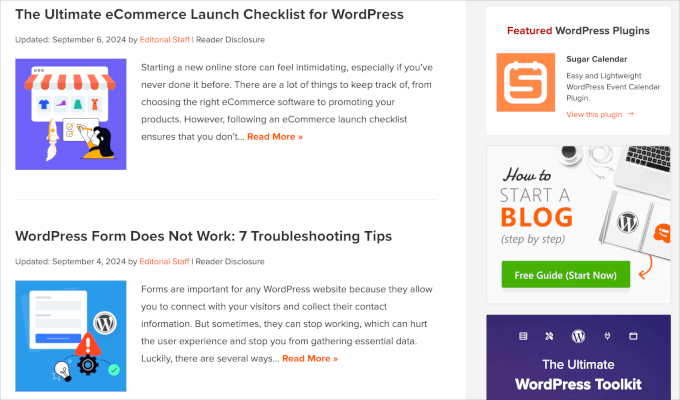
Additionally, featured images represent individual articles across various site sections including recent post widgets, archive pages, and search results.
The visual style of these images establishes the aesthetic tone for accompanying content, making their proper display essential for cohesive design.
Most WordPress themes support featured image functionality, allowing administrators to display them in multiple site areas including sidebars and main content sections.
Before troubleshooting display issues, ensure you understand how to properly upload featured images. Some users accidentally upload cover images instead, while certain themes automatically use the first image within posts as thumbnails.
This guide addresses common problems that may prevent featured images from displaying correctly. Use the following navigation to jump directly to relevant solutions:
- Resolve HTTP Errors During Image Upload
- Address Plugin and Theme Conflicts
- Disable Lazy Loading Features
- Configure Image Visibility Settings
- Fix Gallery Page Display Issues
- Implement Custom Code Solutions
Follow these systematic approaches to eliminate featured image display problems and enhance your site's visual presentation.
1. Resolve HTTP Errors During Image Upload
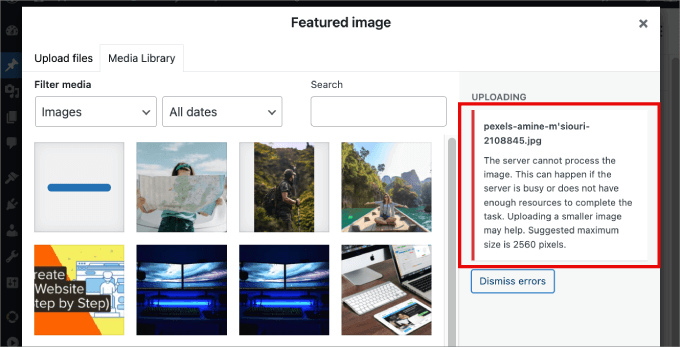
Attempting to upload excessively large featured images may trigger generic HTTP error messages. This typically indicates either oversized image files or insufficient memory allocation for upload processing.
Two primary approaches exist for resolving this issue. First, try logging out of your WordPress dashboard and logging back in, as this simple action often resolves temporary upload problems.
If the issue persists, implement one of these solutions:
- Reduce image file dimensions and compression
- Increase allocated memory limits
Begin with the simpler approach of reducing image file size. Consider converting images to optimized formats like WebP, JPEG, or PNG. JPEG compression reduces file size with minimal quality loss, while WebP offers excellent compression ratios.
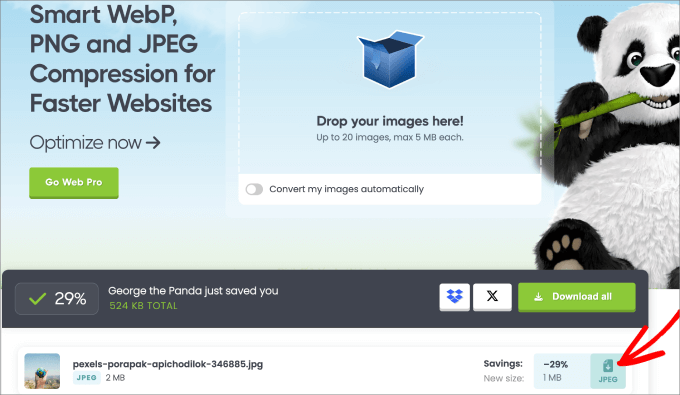
Utilize image compression tools to further reduce file sizes before uploading. These services process images and provide downloadable compressed versions.
If image compression doesn't resolve HTTP errors, consider increasing your WordPress memory allocation. Contact your hosting provider to request PHP limit expansion or hosting plan upgrades.
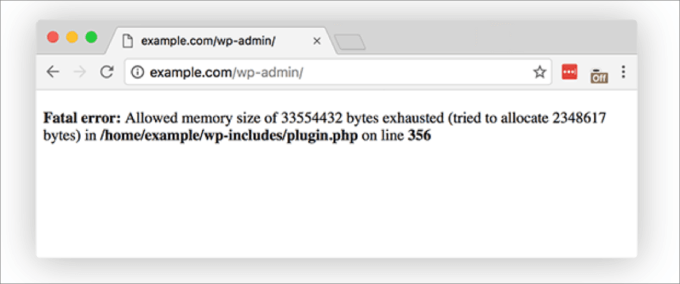
Advanced users can modify PHP memory limits by editing wp-config.php or .htaccess files using FTP clients or file management tools. Consider using code snippet management plugins to implement these changes safely without risking site functionality.
When editing .htaccess files, navigate to your WordPress root directory and insert the following code before the '#END WORDPRESS' line:
define( 'WP_MEMORY_LIMIT', '256M' );
2. Address Plugin and Theme Conflicts
Certain WordPress themes and plugins may interfere with featured image display functionality.
While most themes automatically display featured images, some require manual configuration through theme settings. Consult your theme documentation or support resources for specific implementation guidance.
If theme configuration appears correct, investigate potential plugin conflicts as the primary cause.
Begin by updating all installed plugins to their latest versions. If this doesn't resolve the issue, systematically deactivate plugins and reactivate them individually, checking featured image display after each activation.
This isolation method helps identify specific plugins causing display conflicts. When featured images fail to appear after activating a particular plugin, you've identified the problematic component.
Consider utilizing diagnostic plugins that perform comprehensive system checks to identify configuration errors and compatibility issues with installed themes and plugins.
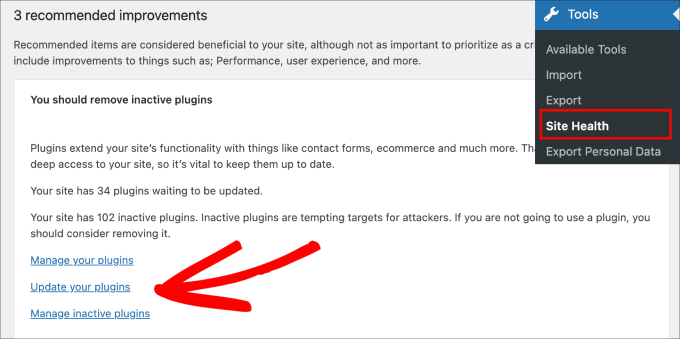
After activation, navigate to the Site Health section within your WordPress dashboard. This area provides recommendations for improving security and performance, including identification of outdated or inactive components that may require attention.
The interface typically displays links for managing or updating problematic plugins and themes that could be affecting featured image functionality.
3. Disable Lazy Loading Features
Lazy loading improves page speed and performance by delaying image loading until they enter the visible viewport area.
Faster loading times benefit search engine rankings since speed represents an important ranking factor for major search platforms.
This technique prevents images from loading until users scroll to their position within content. For example, images at the bottom of lengthy articles won't load until readers reach that section.
However, lazy loading implementations sometimes treat featured images as regular photographs, potentially causing delayed loading or complete blocking from display on post listing pages.
Many image optimization plugins include lazy loading functionality as optional features. Review each installed plugin's settings to identify and disable lazy loading specifically for featured images while maintaining the feature for other site images.